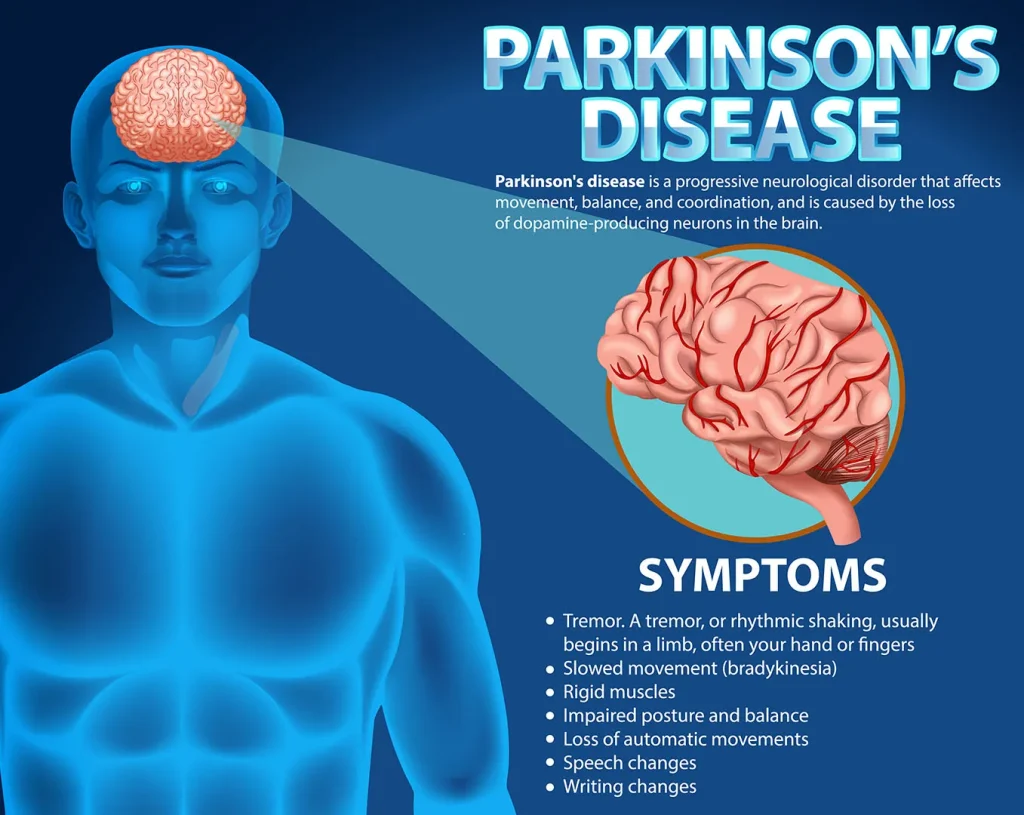
April 11th is World Parkinson’s Day. As the second most common neurodegenerative disease after Alzheimer’s, Parkinson’s disease is becoming a major public health challenge facing my country’s aging society.
Parkinson’s disease is often misdiagnosed as normal aging in its early stages, and many people simply mistake it for “hand tremors.” How to recognize the “warning signs” of Parkinson’s disease?
Is Hand Tremor Always Parkinson’s?
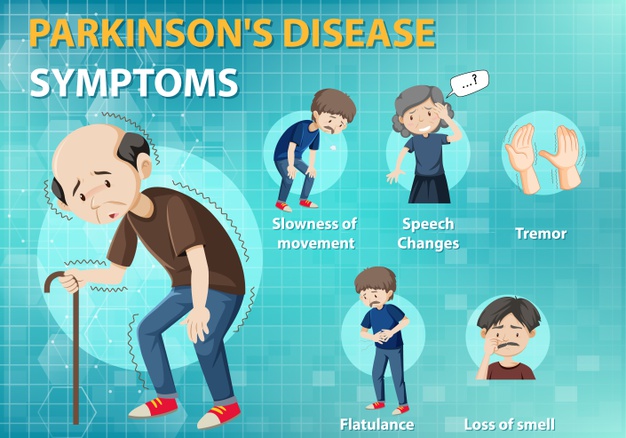
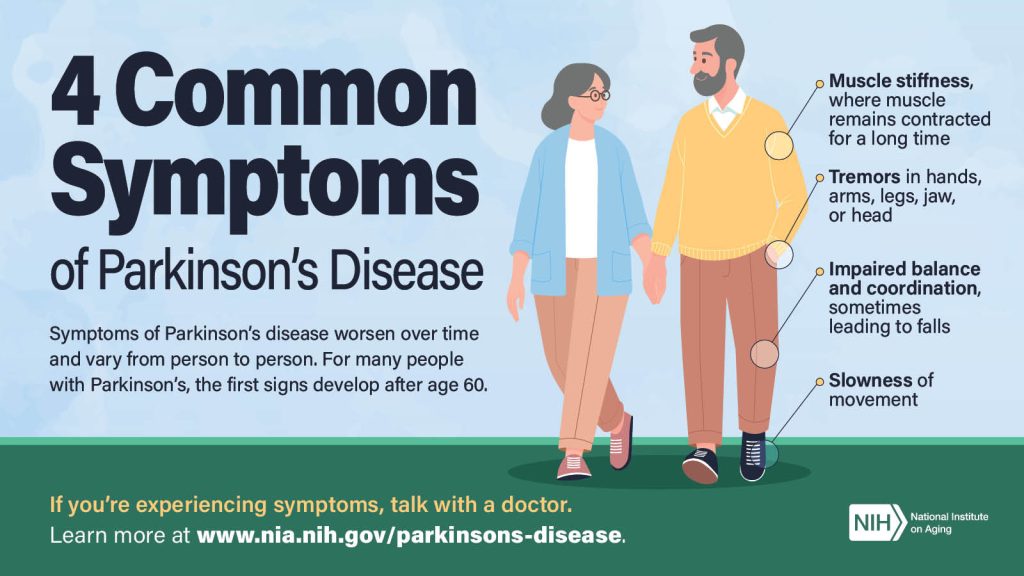
The typical symptom of Parkinson’s disease is ‘hand tremors,’ but in addition to tremors, there are other problems, such as bradykinesia, joint stiffness, and slow reaction time. Only when all these problems are present can a comprehensive diagnosis be made for Parkinson’s disease. Hand tremors are just one symptom.
Parkinson’s tremor is a resting tremor, which is severe when at rest and lessens during activity; essential tremor is an action tremor, which only worsens when performing fine motor skills, generally without rigidity or bradykinesia, and poses relatively less health risk. Besides essential tremor, hyperthyroidism, liver failure, and certain medications can also cause hand tremors. In outpatient clinics, more than one-third of patients seeking treatment for tremors do not actually have Parkinson’s disease. Many people’s fear of Parkinson’s disease and their prolonged anxiety actually worsen their symptoms.
Parkinson’s disease has a high rate of misdiagnosis and missed diagnosis. Many non-motor symptoms of Parkinson’s disease may appear earlier, such as decreased sense of smell, sleep disturbances, and chronic constipation, before gradually developing motor symptoms such as bradykinesia, rigidity, shuffling gait, and resting tremor.
What other early warning signs are there?
The most typical symptoms of Parkinson’s disease are slowed movements, rigidity, shuffling gait, and difficulty turning. However, many people are unaware that the body may have already sent signals before these “motor symptoms” appear:
1. Decreased sense of smell: Patients will find that their previously sensitive sense of smell becomes dulled, making it difficult to distinguish odors such as spices and gasoline. This is an early warning sign that occurs in about 90% of patients.
2. Chronic constipation: Slowed intestinal smooth muscle motility may begin to appear 20 years before motor symptoms.
3. REM sleep behavior disorder: Shouting, punching, and kicking during REM sleep, as if fighting in a dream.
4. Mood swings: Unexplained anxiety, depression, loss of interest, or apathy, often mistaken for simple age-related psychological problems.
Four Self-Tests
Four simple self-tests to help you initially assess your risk of Parkinson’s disease.
Test 1: Finger Pinch Test
Quickly pinch your index finger and thumb together, like counting money. Normally, this is very flexible and coordinated. If one side’s fingers move significantly slower or are inaccurate, pay attention.
Test 2: Fist Opening and Closing
Clench your fist, then fully open it, then clench your fist again, then open it again. Do this on both sides simultaneously, noting if one side is slow, unable to open, or unable to open completely.
Exercise 3: Alternating Movements
Place your hands on your thighs, palms up, backs up, and quickly rotate them as if shuffling mahjong tiles. A normal person can do this smoothly, but in early Parkinson’s disease, one side may become clumsy and disjointed.
Exercise 4: Foot Test
Sitting firmly, place your heels on the ground and repeatedly tap your toes on the ground. Observe whether both sides are symmetrical, and whether one side has difficulty lifting its feet or reacts slowly.
**Important Note:** These four exercises are for preliminary self-testing only and cannot replace a doctor’s diagnosis. If you notice any significant abnormalities, please consult a specialist doctor promptly.
About The Author