
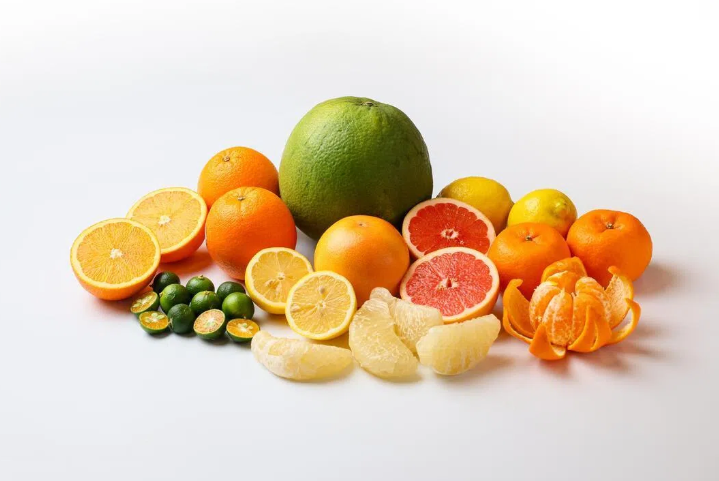
Oranges, grapefruits, lemons, tangerines, grapefruits, and limes, with their vibrant colors, juicy sweet and sour flavors, and captivating aromas, are true nutritional stars. They are rich in Vitamin C and dietary fiber, and low in fat and calories. Adding juice to dishes can reduce salt and enhance flavor, while the peels can be used to make enzymes – multiple uses from one fruit, and also environmentally friendly. However, grapefruits and pomelo may interfere with the metabolism of some medications, so those taking medications should be aware of this.
While citrus fruits don’t have the highest vitamin content of all fruits and vegetables, they are undoubtedly the most fragrant source of Vitamin C.
The aromas of citrus fruits are diverse yet similar. Other characteristics include: bright peels, juicy flesh, and varying degrees of sweetness and tartness. Nutritionists often recommend using citrus juices to add a refreshing flavor to dishes, reducing the need for salt while enriching the overall taste.
The following six citrus fruits are readily available and affordable. After eating the pulp, the peels can be used to make enzymes, or soaked in white vinegar for three days and then diluted to make a non-toxic cleaning agent – offering both health benefits and environmental friendliness.
Oranges: Many people choose to consume more fresh oranges when they have a cold. Rich in Vitamin C, oranges stimulate white blood cell production, effectively improving the body’s resistance to infection and preventing colds.
Fresh oranges contain dietary fiber, as well as flavonoids and minerals. Long-term moderate consumption helps maintain normal immune function, promotes intestinal digestion, beautifies the skin, and has antioxidant effects. Their natural antioxidants are beneficial for cardiovascular health, help lower cholesterol, and may even help prevent some cancers to some extent. Orange juice is low in fat, which helps lower cholesterol and has a certain auxiliary effect in preventing cardiovascular and cerebrovascular diseases. In addition, it can help prevent constipation. It is generally recommended to consume oranges one hour after meals to avoid irritating the gastric mucosa on an empty stomach.
Excessive consumption over a long period should be avoided to prevent gastrointestinal irritation, such as abdominal pain and diarrhea. Due to its high sugar content, diabetics need to control their intake. Pomelo
Pomelo is one of the traditional fruits for celebrating the Mid-Autumn Festival and Lunar New Year. Its scientific name, *Citrus maxima*, means “largest citrus” in Latin.
The pomelo family is quite large, including varieties such as Wenzhou pomelo, white pomelo, red pomelo, and Xishi honey pomelo, each with slightly different tastes and nutritional components. Regardless of the type, two selection principles are: symmetrical shape and a substantial feel.
From the perspective of Traditional Chinese Medicine, pomelo is cool in nature and sweet and sour in taste. Its functions include regulating qi and resolving phlegm, moistening the lungs and clearing the intestines, and nourishing blood and strengthening the spleen. However, the furanocoumarins in pomelo can inhibit metabolic enzymes, leading to excessively high drug concentrations in the blood and even increasing the risk of side effects. Those taking chronic medications such as anticoagulants, blood pressure medications, cholesterol-lowering medications, or medications for arrhythmia should be especially cautious and consult a doctor or pharmacist.
Lemon, a hybrid of citron and lime, is one of the most widely used citrus fruits. Besides making desserts and jams, lemons can be sliced and added to black tea, and their juice can be used to make salad dressings, marinate meats, or drizzled directly over fried foods, enriching the flavor of dishes and cutting through greasiness.
Lemons are neutral to slightly cooling in nature, with a sweet and sour taste. Their functions include quenching thirst, relieving summer heat, relieving stagnation, and promoting urination.
Can you drink lemon water regularly? It depends on your health condition. Highly concentrated lemon water may irritate the stomach and intestines, so it’s best not to drink it on an empty stomach. In addition, lemon water contains citric acid, so to avoid eroding teeth, it’s recommended to drink it in moderation or rinse your mouth afterward.
Citrus fruits are rich in vitamin C, flavonoids, and dietary fiber, making them one of the healthiest fruits in our daily diet. Vitamin C helps maintain normal immune function, promotes collagen formation, and aids in iron absorption; flavonoids have antioxidant properties, helping to slow down cell aging. The pulp of citrus fruits is juicy, with a water content exceeding 85.2%, and moderate consumption can help replenish fluids and promote intestinal peristalsis.
However, while citrus fruits are beneficial, they should not be consumed in excess. It contains a certain amount of fruit acid, so those with excessive stomach acid, acid reflux, or a sensitive stomach should avoid eating large quantities on an empty stomach to prevent stomach irritation. Furthermore, tangerines are not low in sugar, containing approximately 10 grams per 100 grams; diabetics should control their intake. Eating too much at once may also cause oral discomfort or a dry, itchy throat. It is generally recommended to eat a moderate amount daily, paired with a variety of fruits, to obtain more balanced nutrition.
Grapefruit: Grapefruit is high in water and low in calories, rich in vitamin C, potassium, dietary fiber, and various phytochemicals, making it suitable for those who want to supplement their fruit intake while controlling calorie intake. Its flesh is sweet and slightly sour, with a rich aroma, and can be eaten directly, juiced, or added to salads. From a traditional Chinese medicine perspective, grapefruit is generally cooling and sweet and sour, with thirst-quenching effects, but should be consumed in moderation, avoiding eating too much on an empty stomach.
It is particularly important to note that grapefruit can affect the metabolism of some medications, especially those for lowering blood lipids, lowering blood pressure, suppressing immunity, anti-anxiety medications, and steroids, potentially leading to overly strong effects or increased side effects. Those currently taking medication should consult a doctor or pharmacist first. Additionally, those with excessive stomach acid or sensitive stomachs should consume it in moderation; the pulp can be eaten, but the juice should not be consumed excessively.
Lime (Citrus aurantium) is high in water content and low in calories, containing vitamin C, dietary fiber, and a small amount of potassium. It is often used for seasoning, making drinks, or adding to salads, enhancing the flavor of food without relying on excessive salt or sugar. Lime is the fruit of a small tree in the Rutaceae family, native to Southeast Asia, and later spread to the Middle East and the Mediterranean region through trade. Its essential oil and juice have been used in spices, cleansing, and traditional remedies since ancient times. Lime also contains citrate, which can bind with calcium in urine, reducing the formation of calcium salt crystals, thus potentially lowering the risk of kidney stone formation or recurrence.

From a Traditional Chinese Medicine perspective, sour foods help quench thirst and stimulate appetite. However, because lime is sour and slightly cooling, those with a cold constitution, excessive stomach acid, or sensitive stomachs should consume it in moderation, and should not consume it on an empty stomach or in excessive amounts.
Citrus fruits are fragrant and juicy, some are sweet with a hint of sourness, and some are sour with a hint of sweetness. Nutritionists often recommend using citrus juice to add a refreshing flavor to dishes.
About The Author