A “Super Musk merger”? Wall Street is buzzing with speculation about a SpaceX + Tesla combination.
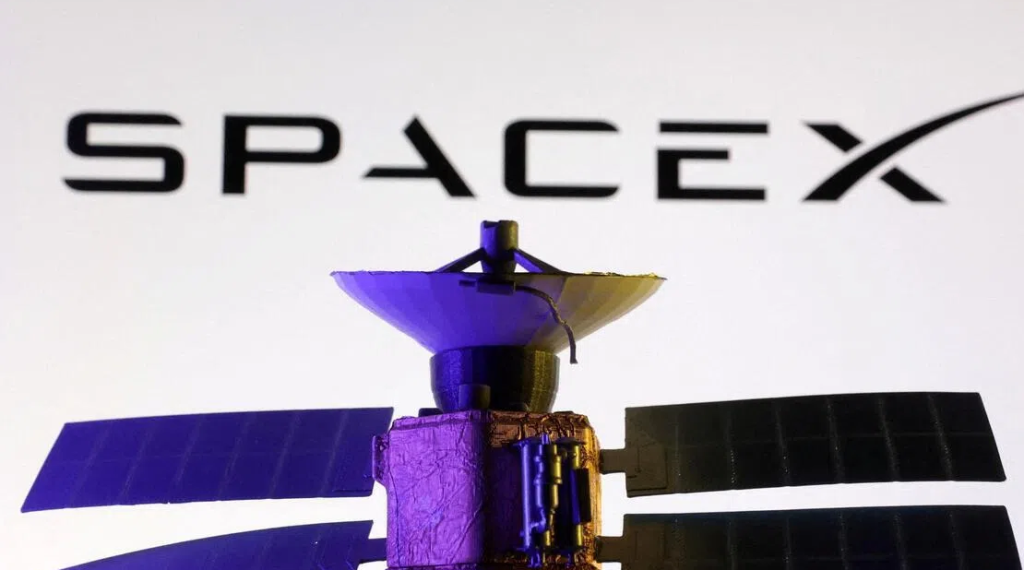
Following SpaceX’s secret IPO filing, market discussions quickly shifted to a bolder possibility—a merger with Tesla. Some investors have even proposed concrete plans, including equivalent stock swaps and specific timeframes, attempting to piece together a more complete capital path from publicly available information.
Elon Musk’s rapid merger of SpaceX and xAI previously surprised onlookers. Now, analysts, investors, and those closely following Musk are discussing an “ultimate combination”: a merger between SpaceX and Tesla (TSLA.O).
Merger Speculation Heats Up: Towards the “Ultimate Combination”
As SpaceX nears its IPO, some investors have begun exploring the idea of a “Super Musk merger.” Musk has stated that he believes his companies are converging but has not yet commented on the merger rumors.
However, some Tesla supporters believe that merging these companies could accelerate Musk’s ambitions in artificial intelligence by placing projects under a single system, potentially creating one of the most valuable companies in history.
Alexandra Merz, an influential individual Tesla investor known online as “Tesla Boomer Mama,” posted on Musk’s X platform that her best-case scenario is a stock-for-stock merger in June or July, giving both companies the same valuation.
According to FactSet data, if the deal proceeds at current valuations, it would offer Tesla investors a slight premium. Tesla’s stock price has fallen 22.5% since the beginning of the year.
While she cautioned that she might be wrong, she described this scenario as “connecting the dots.”
There are also more skeptical voices, such as James Robertson, an IT executive in Texas. He bought Tesla stock in 2014 and expressed concern that the merged company could repeat the mistakes of failed consolidations like General Electric, jeopardizing the success of both businesses.
However, he still hopes to invest in SpaceX’s IPO when the opportunity arises, which could become the largest IPO in history. “In the long run, holding shares in both companies may be more valuable,” he said.
Wall Street Perspective: Logic Exists, but Short-Term Probability is Limited
Musk has never shied away from discussing synergies between his companies to achieve his ultimate goal of establishing human civilization on Mars.
Former Morgan Stanley Tesla analyst Adam Jonas called this project “Muskonomy.” In recent weeks, other Wall Street analysts have also begun to follow this line of thinking, with some telling investors that they believe there is a certain logic to the merger.
Barclays analyst Dan Levy wrote in February: “The biggest question on investors’ minds is whether Elon will eventually combine Tesla and SpaceX to form a broader ‘Elon Inc.’—an idea that Tesla super-bullies have been hoping for.”
“While the possibility of a Tesla-SpaceX merger currently seems slim, we believe it exists in the future.”
According to previous media reports, SpaceX secretly filed for an IPO last week, aiming to go public in July. Following its merger with xAI in February, the company’s latest valuation is $1.25 trillion.
Meanwhile, Tesla, already a publicly traded company, currently has a market capitalization of approximately $1.1 trillion. If the two companies were to merge, it would be the largest merger in history.
Technological Synergy and AI Ambitions: Building a “Musk Economy”
Elon Musk recently announced new joint ventures between Tesla and SpaceX, further fueling market expectations.
These projects include a new shared chip factory, “Terafab,” in Austin, Texas, and a new AI agent called “Digital Optimus,” designed to optimize software development processes for both Tesla and xAI.
At the same time, he also proposed a new concept for artificial intelligence development, linking the success of Tesla’s AI projects (including humanoid robots and self-driving cars) to SpaceX’s plans to build space data centers. While the technology is yet to be proven, theoretically, space-based data centers could utilize solar power, alleviating the energy and land demands of terrestrial data centers.
Elon Musk has long painted a vision of Tesla becoming the world’s most valuable company, speculating on a potential valuation of $30 trillion, a judgment based on the potential of its robotics and artificial intelligence products.
This vision has been welcomed by retail investors, driving Tesla’s performance in the public market despite a decline in its core automotive business (its primary revenue source).
Despite a 6.3% year-over-year increase in electric vehicle deliveries in the first quarter, Tesla’s overall market share in the electric vehicle market has been declining over the past two years.
JPMorgan analyst Ryan Brinkman warned in a report on Monday that Tesla’s stock price could fall by 60% by the end of 2026 as the company faces challenges in implementing its new strategy.
Tesla shareholders approved a $1 trillion compensation package in November, requiring Musk to increase the company’s valuation to $8.5 trillion and achieve a series of operational milestones, including ambitious goals for its new AI products.
Meanwhile, SpaceX’s valuation continues to climb in the private market, partly due to its merger with xAI in February.
Regulatory and Governance Challenges: Mergers Don’t Happen “Overnight”
If Musk ultimately proposes a deal between Tesla and SpaceX, Columbia Law School professor Dorothy Lund says the deal is likely to face antitrust scrutiny. She also points out that any merger vote requires approval from the shareholders of the target company.
However, a positive factor is that Tesla and SpaceX are not direct competitors, and Musk has close ties to the government assuming Trump remains in office.
Furthermore, because Musk is a controlling shareholder in both SpaceX and xAI, he could complete the merger without a formal process. A deal with Tesla is different, as his stake in the company is relatively small.
“You can’t do this overnight because you need a vote,” Lund said.
About The Author