(AFP, Jerusalem, March 16) A 10-day ceasefire between Israel and Lebanon has taken effect, with the Iranian Foreign Ministry welcoming the agreement. However, shortly before the ceasefire took effect, the Iranian-backed Lebanese militant group Hezbollah resumed cross-border clashes with Israel.
Lebanon was drawn into the US-led Israeli-Israeli war against Iran after Hezbollah launched rockets at Israel.
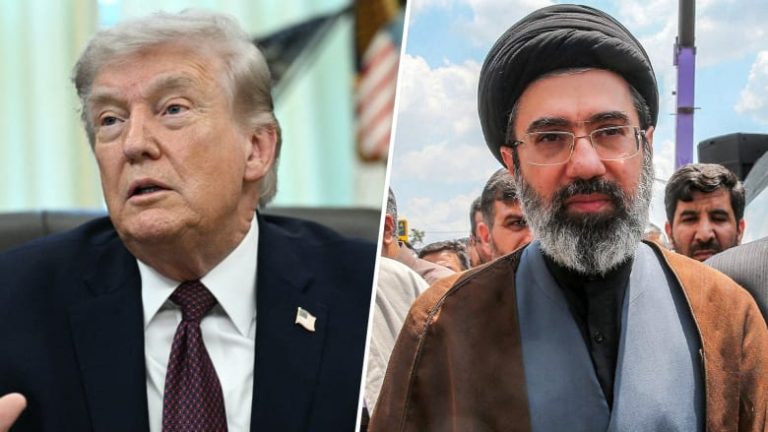
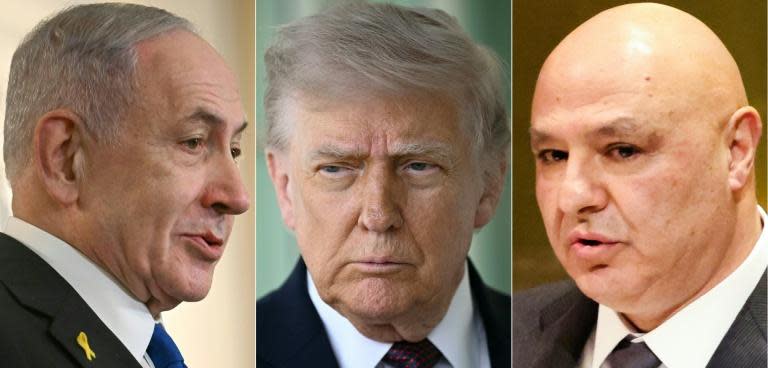
US President Donald Trump earlier stated that Israel and Lebanon had agreed to a 10-day ceasefire starting at 9 PM GMT (5 AM Taiwan time on March 17).
The US State Department stated that the ceasefire agreement reached today includes a Lebanese government commitment to prevent any Hezbollah attacks on Israel.
Hezbollah has not yet formally stated whether it recognizes the ceasefire, but a member of the group told AFP today that Hezbollah would abide by the ceasefire if Israel ceased its attacks on its militants.
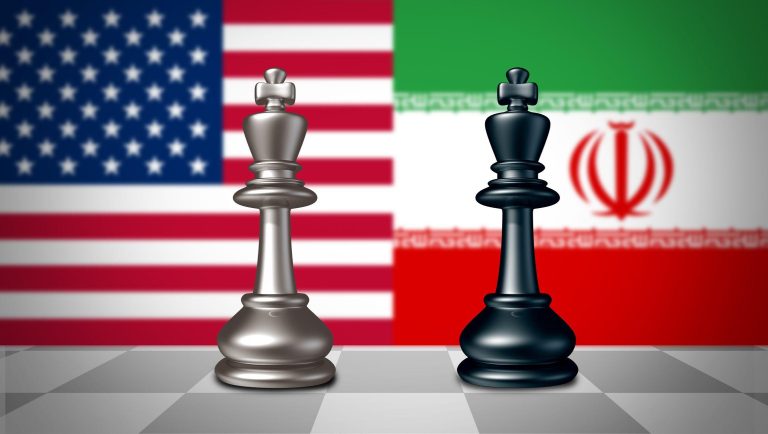
Iranian state news agency IRNA reported that Foreign Ministry spokesman Esmail Baghaei said today that he welcomed the ceasefire agreement between Israel and Lebanon, describing it as part of a two-week ceasefire agreement reached between Iran and the United States to suspend the Middle East war.
However, shortly before the ceasefire took effect, Israeli forces and Hezbollah engaged in a new round of cross-border fighting today. Israeli aid agencies reported two injuries, one serious.
The Lebanese Ministry of Health stated that an Israeli airstrike on the southern town of Ghazieh resulted in at least seven deaths and 33 injuries.
From the current situation, this ceasefire appears more like a “temporary de-escalation” than a true end to the conflict. While all parties have shown some restraint diplomatically, their strategic antagonism and security concerns have not been eliminated, especially regarding the long-standing conflicts between Iran, Hezbollah, and Israel. In the short term, the ceasefire helps reduce casualties and humanitarian pressure, but without a more concrete political solution mechanism and confidence-building measures, similar conflicts could recur. Therefore, whether the situation can stabilize in the future largely depends on whether all parties are willing to transform the temporary ceasefire into a longer-term security arrangement.
About The Author