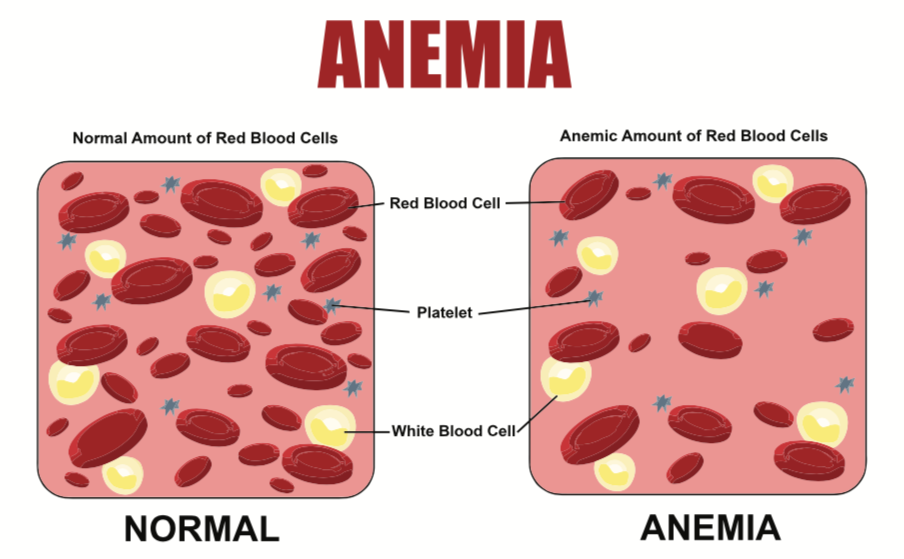
Do you often feel lethargic, pale, or have cold hands and feet? These are common symptoms that can be caused by anemia. Anemia occurs when there are not enough healthy red blood cells in the body to carry enough oxygen to the organs. The World Health Organization generally defines anemia as a hemoglobin level below 12.0 g/dL for women and below 13.0 g/dL for men.
Anemia has various causes, including nutritional deficiencies, immune problems, and even blood disorders, with iron deficiency anemia being the most common. Mild iron deficiency can usually be improved with oral supplements, but doctors advise that you first consult a doctor to determine the cause and avoid self-supplementing. Excessive intake of iron supplements can damage organs, especially the liver, and lead to complications.
Who is more prone to iron deficiency?
The doctor said, “Iron deficiency anemia can occur at any age, affecting everyone from teenagers to the elderly. It’s most common in young women, accounting for the majority of cases we see.”
Young women are more prone to iron deficiency, primarily due to menstrual blood loss. Additionally, women’s iron requirements increase during pregnancy. Besides gynecological causes, gastrointestinal bleeding can also lead to anemia. Other high-risk groups include infants, children, vegetarians, regular blood donors, and the elderly.
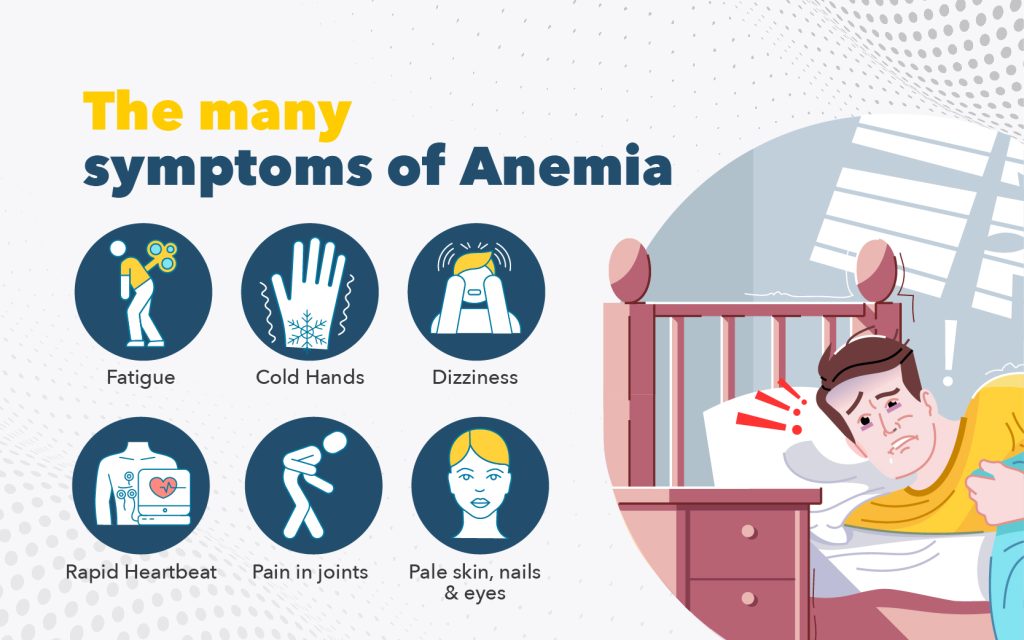
Symptoms of anemia are sometimes subtle, but you should be vigilant if you frequently experience the following:
Feeling lethargic or chronically fatigued;
Pale complexion;
Difficulty exercising;
Dizziness;
Rapid or irregular heartbeat;
Cold hands and feet;
Broken or pitted nails.
In addition, some patients may experience pica, such as cravings for non-food items like soil.
Early treatment reduces various risks.
If iron deficiency is not treated promptly, it can lead to heart problems, pregnancy complications, and even affect the growth and development of infants and young children. Doctors emphasize that early detection and treatment can effectively reduce these risks.
Mild iron deficiency can usually be improved with oral iron supplements, but if the patient cannot take them or has gastrointestinal absorption problems, doctors may use intravenous iron supplementation. He said, “If anemia is severe, sometimes a blood transfusion is necessary to raise hemoglobin to a safer level before further investigation into the cause. The duration of treatment depends on the cause of the iron deficiency and varies from person to person.”
Doctors advise that if you suspect you have anemia, you should see a doctor for examination to find the true cause and not buy iron supplements on your own. He said, “Excessive iron supplementation is harmful to the body. This can cause organ damage, especially to the liver, and can also lead to other complications.”
Adequate intake of iron-rich foods: For women who want to maintain adequate iron intake, the Health Promotion Board recommends approximately 19 mg daily for those aged 18 to 59, at least 27 mg during pregnancy, and approximately 6 mg for those aged 60 and above.
Doctors point out that to supplement iron from the daily diet, it is advisable to consume two main categories of iron-rich foods. One type of iron is heme iron, derived from animal sources, commonly found in red meat, pork, poultry, and seafood. The other type is non-heme iron, derived from plants, which can be obtained from whole grains such as rice and pasta, iron-rich cereals, dark green vegetables like spinach, and fruits such as berries. Combining these with foods rich in vitamin C, such as oranges and kiwis, can help enhance iron absorption.
Additionally, if you habitually drink coffee or tea, it’s best to wait about two hours between meals, as caffeine can interfere with iron absorption. Developing a balanced diet and paying attention to your body’s signals will help detect anemia earlier and prevent minor symptoms from developing into major problems.
About The Author