As soon as the spring breeze blows, drowsiness surges up like a tide. Even after the alarm rings three times in the morning, you still can’t get up. In the afternoon, you feel drowsy at work or school, staring blankly at the screen, lacking energy to do anything, and even talking feels tiring. Many people blame themselves for this: Am I too lazy or lack self-control? Actually, no, it’s just spring lethargy causing trouble.
Why am I so sleepy in spring?
Spring sleepiness isn’t laziness; it’s a normal physiological response to the changing seasons. Simply put, your body hasn’t fully “woke up” from winter.
- Rising temperatures cause brain “oxygen deficiency.” In winter, blood vessels constrict to keep warm. In spring, rising temperatures cause skin and capillaries to dilate, increasing blood flow to the skin’s surface. This reduces blood and oxygen supply to the brain, leading to drowsiness and slower reaction times.
- Longer days disrupt the biological clock. In winter, earlier darkness and later dawn result in higher melatonin (a sleep-inducing hormone), making it easier to fall asleep early. In spring, longer and stronger days suppress melatonin production, subtly adjusting the sleep rhythm and causing difficulty falling asleep at night, difficulty waking up in the morning, and daytime sleepiness.
- Increased metabolism leads to insufficient energy. Springtime brings the body’s renewal, accelerating metabolism and increasing energy expenditure. However, if diet and sleep patterns haven’t kept pace, energy deficiency and blood sugar fluctuations can easily occur, leading to fatigue and drowsiness.
- Changes in humidity and air pressure can also cause lethargy. Springtime often brings overcast skies, low air pressure, and high humidity, which can also cause chest tightness, weakness, and a lack of energy.
In summary: Spring fatigue is a sign of your body adjusting to the season; this “adjustment” is not laziness or decadence.
4 Practical Methods to Easily Say Goodbye to Spring Fatigue and Get Instantly Awake
- Sleeping at the Right Time is More Important Than Sleeping for a Long Time. Many people feel even more tired after sleeping during spring fatigue because they’re sleeping incorrectly.
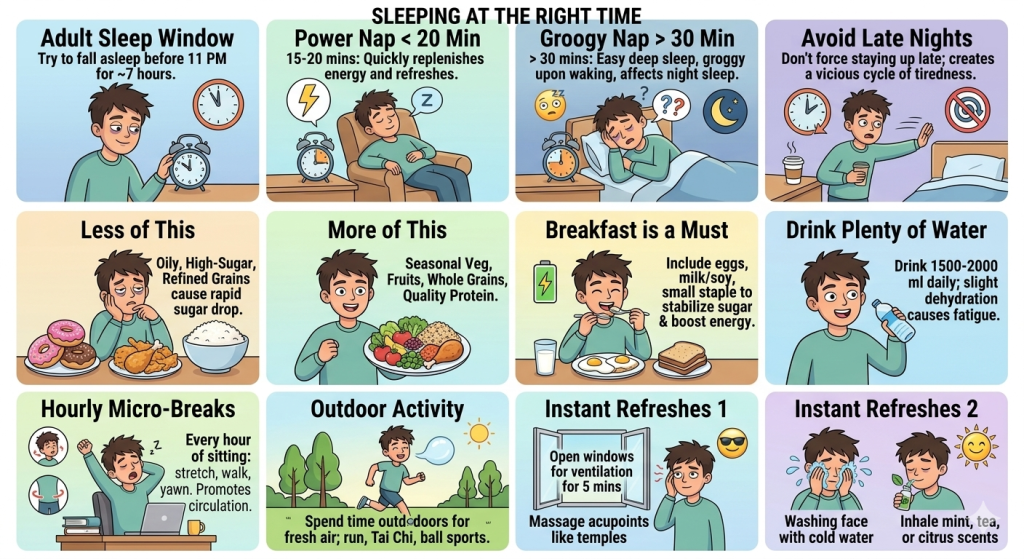
Adults should try to fall asleep before 11 pm and ensure about 7 hours of sleep.
Take a short nap of 15-20 minutes between 12:30 pm and 1:30 pm. Less than 20 minutes: Quickly replenishes energy, leaving you refreshed in the afternoon; more than 30 minutes: Makes it easier to enter deep sleep, resulting in more grogginess upon waking and affecting nighttime sleep.
Don’t try to force yourself to stay up late; the more you stay up, the more tired you become, creating a vicious cycle.
- Eat the Right Meals for Better Sense of Awareness. Diet directly determines your daytime mental state.
Eat Less: Oily, High-Sugar, and Refined Rice and Flour. High-sugar foods cause blood sugar to spike and drop rapidly, making you sleepy immediately after eating.
Eat More: Seasonal Vegetables, Fruits, Whole Grains, and High-Quality Protein
Breakfast is a Must: Include eggs, milk/soy milk, and a small amount of staple food to stabilize blood sugar, boost energy, and keep you feeling full.
- Drink plenty of water: Even slight dehydration can cause fatigue and decreased concentration. Drink 1500-2000 ml daily.
- Move around to wake up your body. Spring fatigue is aggravated by movement.
Simple movements: Every hour of sitting, get up and stretch, walk a few steps, and yawn. Simple chest-opening, head-turning, and waist-twisting movements promote blood circulation. Sufficient oxygen supply to the brain immediately eliminates drowsiness.
Outdoor exercise: Spend more time outdoors during breaks to breathe fresh air. You can also choose to run, do gymnastics, practice Tai Chi, or play ball sports. Maintaining moderate outdoor activity can stabilize your mental state and prevent daytime drowsiness.
- These small details can instantly refresh you:
Open windows for ventilation: High carbon dioxide concentration in enclosed spaces can easily cause drowsiness. Ventilating for 5 minutes will immediately wake you up.
Massage acupoints for refreshment: Gently massage the temples and Fengchi acupoints to relieve dizziness and fatigue.
Keep the environment bright: The dimmer the light, the more sleepy your brain will feel. Try to sit in a well-lit area.
Washing your face with cold water and inhaling refreshing scents: mint, tea, and citrus can all have a refreshing effect.
Important Reminder: These types of “drowsiness” are not spring fatigue!
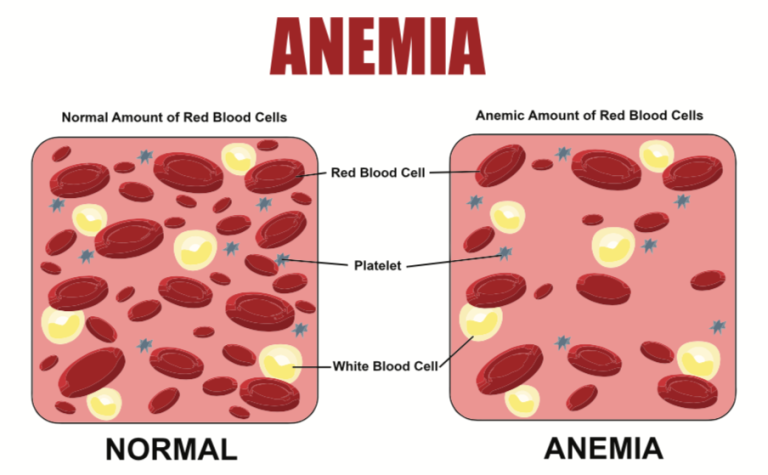
If you experience the following, it may be related to anemia, thyroid problems, sleep apnea, stress, or anxiety. Don’t dismiss it as ordinary spring fatigue; it’s recommended to get checked out promptly and not try to tough it out:
- Still extremely tired even after sleeping 8 hours a day;
- Drowsiness that affects work, study, or driving;
- Accompanied by dizziness, palpitations, shortness of breath, and a significant decline in memory;
- Persistent for more than 2 weeks without relief.
About The Author