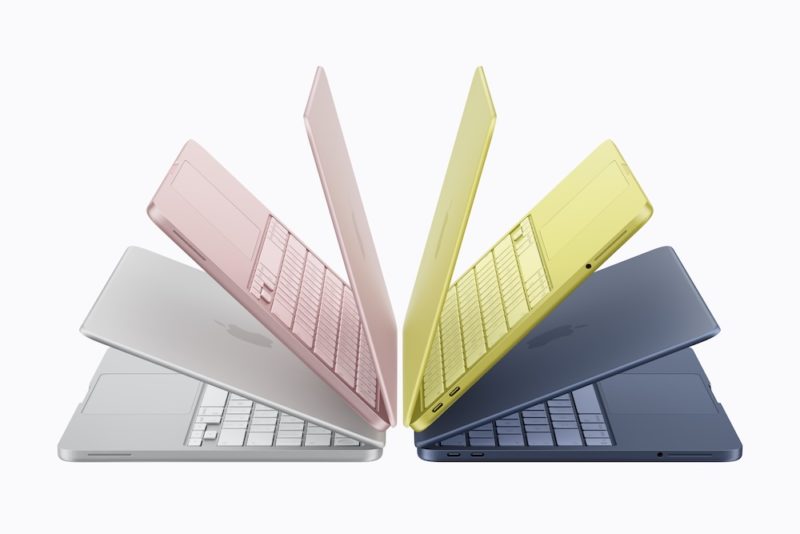
As the AI arms race drives up memory prices, and the entire laptop industry struggles to “reflect costs” for survival, Apple defied the trend in March by launching a $599 MacBook—cheaper than an iPhone and its most affordable MacBook ever. What gives it the confidence?
Memory Price Surge: Competitors Can’t Withstand Cost Pressure
Seaport Research Partners analyst Jay Goldberg and Bank of America analyst Wamsi Mohan both offered their answers on Monday, simultaneously raising their target price for Apple to $320, implying over 20% upside from the current share price, and maintaining a buy rating.
The scale of this price surge is more dramatic than most people realize. According to TrendForce estimates, memory and storage chips, which previously accounted for about 15% of the material cost of a mainstream laptop, have climbed to 30% after several quarters of continuous price increases—the root cause being the enormous demand for memory from AI data centers, which continues to squeeze the supply of consumer electronics.
TrendForce estimates that if brands want to maintain their current profit structures, the retail price of a mainstream laptop originally priced at $900 could increase by as much as 40%, and predicts that global laptop shipments will decline by 9.2% year-on-year this year. Apple, however, is going against the grain.
Apple’s Confidence: Self-Developed Chips and Massive Stockpiling
TrendForce points out two key advantages. First, Apple develops its own chips and doesn’t need to purchase CPUs from Intel, so when Intel raises prices for its customers, Apple is not affected. Second, its product range is relatively simple, and centralized procurement gives Apple more leverage in component negotiations than its competitors.
“This month, we’ve spoken with many people in the industry, and the same conclusion has repeatedly emerged—memory supply is extremely tight, but even so, Apple is still buying as much as it can,” Goldberg wrote.
He interprets this massive purchase by Apple as having a specific purpose: in a situation where supply is already tight, by stockpiling large quantities, Apple is squeezing the space for competitors to obtain memory, forcing them to choose between “raising prices” or “lowering specifications.”
The result was that in the smartphone market, Apple maintained its prices and specifications, yet expanded its market share against the trend of an overall demand decline of about 10%. In the laptop market, it directly attacked its competitors’ core markets with the low-priced MacBook Neo.
The affordable laptop market is also a largely untapped territory. Mohan points out that Apple currently has less than 1% market share in this segment, with 260 million Mac devices installed, far behind the 1.5 billion iPhones—this gap represents the potential for ecosystem expansion. He estimates the Neo’s potential market size at $32 billion.
Cook sacrifices short-term profit margins for long-term ecosystem gains.
This move certainly comes at a cost. Goldberg predicts that Apple’s product gross margin will decline from last year’s high of 30% to a low of 30%. However, Apple’s business model doesn’t rely solely on hardware—once new users enter the ecosystem, subscription services such as Apple Music and iCloud become the real cash cows. Both analysts believe Neo will help drive long-term revenue.
Judging from market reaction, this move seems to have been the right one. Demand for the MacBook Neo far exceeded expectations after its launch, with shipping dates for some color options already delayed after pre-orders were placed just days later. Apple CEO Tim Cook also revealed in an X post last month that the Mac had just set a record for the best first-week sales to new customers ever, which indirectly confirms analysts’ views.
About The Author