Many people consider weight loss the first thing to do to welcome spring, especially for many women, for whom the first step to achieving their ideal figure is weight loss.
But does losing weight necessarily mean a better figure? Many people find that after gritting their teeth and dieting, although they have lost a few pounds, their body shape has not improved significantly—it is very likely that they have lost the last thing they should have lost: muscle.
Normal weight doesn’t necessarily mean “skinny fat.”
“Weight loss is only necessary when weight or body fat percentage is truly excessive.” The real goal of weight loss should be reducing fat and increasing muscle, which is why more and more people are paying attention to body fat percentage—a very good trend.
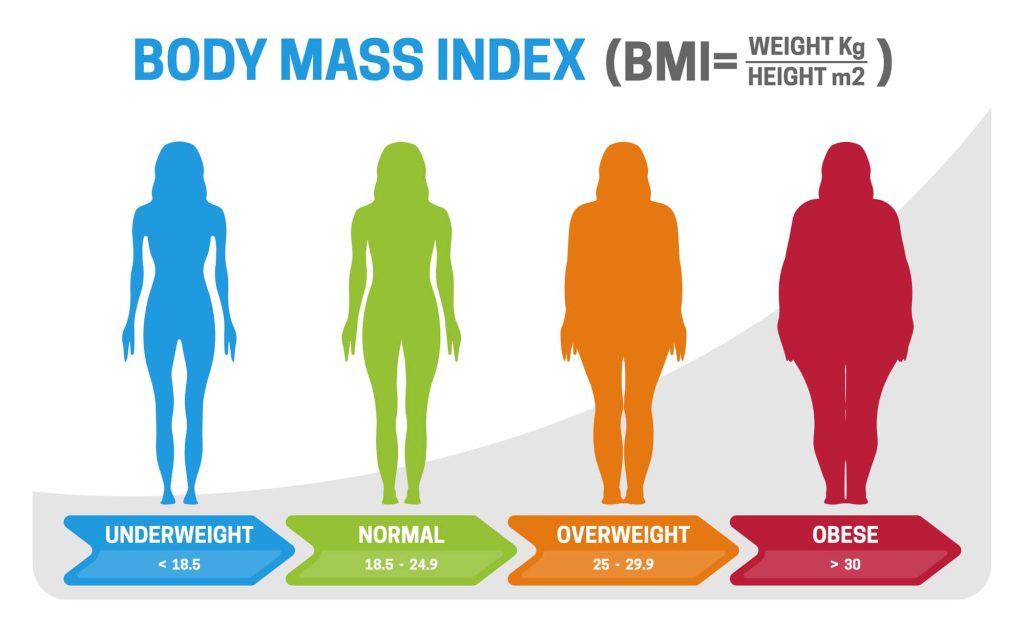
Relying solely on Body Mass Index (BMI) to determine overweight and obesity has significant limitations: BMI defines 24-27.9 kg/m² as overweight and greater than 28 kg/m² as obese, but it cannot reflect the actual amount of fat and muscle in the body. The essence of obesity is excessive body fat. Some people have a BMI below 24 kg/m², but a high body fat percentage, and can still be diagnosed as obese. This is precisely the “fat-covered-bones” physique that has recently been hotly debated online—the bones are almost entirely covered by fat, with severely insufficient muscle mass. These people appear slender and may be underweight, but their body fat percentage often reaches 25%-30%, or even higher, placing them in a “skinny fat” state, clinically known as sarcopenic obesity, and is also considered by some to be the “worst physique.” Therefore, the key to determining obesity is body fat percentage, not just weight or BMI.
“Being too thin isn’t necessarily better for women.” Adult men and women have different body compositions. For men, the normal body fat percentage range is 15%-18%, and anything over 20% is considered obese. For women, the normal range is 20%-25%, and anything over 30% is considered obese. For women, a lower body fat percentage isn’t necessarily better either. Too little fat can affect sex hormone secretion, and in severe cases, can lead to menstrual irregularities or even amenorrhea. Furthermore, a moderate amount of visceral fat provides necessary support and cushioning for the gastrointestinal tract, urinary tract, and reproductive organs in the abdominal and pelvic cavities.
In reality, many women lose weight through extreme dieting. In the initial stages of weight loss, most of the weight loss is water, which is easily regained. If diet is continued to be strictly controlled and a calorie deficit is further created, while fat begins to be burned, valuable muscle will also be lost. This is why some people find their face “sagging” and their body muscles becoming looser after losing weight—they’ve lost weight, but their physique hasn’t improved; in fact, they’ve lost muscle, which is crucial for health—a net loss. Conversely, if you exercise with the goal of building muscle, as muscle mass gradually increases, fat will be burned simultaneously, essentially achieving “fat loss and muscle gain” in parallel. Because the volume of muscle of the same weight is much smaller than that of fat, even without significant weight loss, your physique will be more toned and defined, and your overall health will improve.
Muscle is an Underrated Hero for Health
“For many, muscle is an underrated hero for health.” Muscle is the “armor” protecting bones and internal organs, the “engine” maintaining daily activities and exercise capacity, and a “powerful tool” for regulating metabolism. People with higher muscle mass have a higher basal metabolic rate, meaning they burn more calories even without exercise. This not only helps maintain a better physique but also helps prevent metabolic diseases such as diabetes.
Muscle mass is equally important for men and women. In people who lack exercise, muscle mass gradually decreases with age. In thin people, the weight of internal organs such as the heart, liver, spleen, lungs, and kidneys decreases, affecting their function and leading to decreased resistance and immunity, and reduced activity levels.
“Sufficient and healthy muscle reserves are a woman’s ‘capital’ for facing unique challenges throughout her life. Moderate exercise during pregnancy not only helps control weight but also alleviates discomfort such as back pain caused by weight gain and improves lower limb edema. Strengthening core and pelvic floor muscles helps pregnant women support their growing abdomen, effectively preventing postpartum diastasis recti and visceral prolapse. Postpartum muscle-building training helps the body recover faster, while also regulating mood and relieving fatigue. During menopause, muscle is crucial for maintaining a healthy skeletal system; active muscle-building training can effectively prevent osteoporosis and functional decline, laying a solid foundation for a high quality of life in later years.
We recommend that women of childbearing age manage their weight during the preconception period. Overweight or obese women need to lose fat and gain muscle; underweight women need to gain weight, some needing to focus solely on muscle gain, while others need to gain both muscle and fat simultaneously.” “Insufficient muscle mass during pregnancy can lead to decreased mobility, increased susceptibility to back and leg pain, and increased susceptibility to colds and other infectious diseases. During childbirth, the regular contractions of the uterine smooth muscle are the primary source of labor force; nowadays, obstetrics places particular emphasis on postpartum pelvic floor muscle training because weakened pelvic floor muscles can easily cause problems such as urinary incontinence. Entering menopause, hormonal changes can bring various uncomfortable symptoms to women, making them ‘reluctant to move.’ In fact, menopause requires increased activity: on the one hand, it can maintain muscle mass and basal metabolic rate; on the other hand, exercise can shift focus, alleviate physical discomfort, and improve mental state and sleep quality.”
Why is it harder for women to build muscle than men?
“Let’s do a small survey: Can the young women around you change the large water bottles in the water dispenser by themselves? Some of my young female colleagues can’t.” This everyday scenario reflects an easily overlooked health problem—insufficient muscle mass. Among her patients, many have body composition analysis indicating insufficient muscle mass. Some appear to have a normal weight, but tests show excessive fat and insufficient muscle; some obese patients also have sarcopenia; and the muscle mass of underweight patients is even more concerning.
When it comes to building muscle, it’s commonly believed that “it’s harder for women than men.” Is this true?
“It is indeed more difficult for women to build muscle than men, due to differences in hormone levels.” Men have higher levels of androgens; for example, testosterone levels are typically 10 to 20 times higher than in women. One of the main functions of testosterone is to promote muscle synthesis. Therefore, men find it easier to build muscle through strength training, while women find it more difficult to achieve rapid muscle growth in a short period.
Good diet and exercise habits can maintain and even increase muscle mass. Muscle doesn’t necessarily decrease with age; aerobic exercise improves muscle oxidation capacity and endurance, and enhances cardiovascular function; resistance training effectively increases muscle strength and mass; balance training helps maintain body stability and reduces the risk of falls, which is especially important for older adults.
How can women scientifically maintain and increase muscle mass?
Women who want to systematically build muscle cannot simply copy the male training model. The core principle is gradual progression, avoiding short-sightedness. Specifically, pay attention to the following points:
Prioritize joint safety. Women’s body structure makes them more prone to lower limb joint injuries. Therefore, when performing weighted squats, deadlifts, and other lower limb strength training, pay extra attention to the accuracy of the movements and the correct force line, and choose exercises that put less strain on the lower limb joints.
**Focus on core muscle training and incorporate pelvic floor muscle training. This is highly beneficial for women preparing for pregnancy, during pregnancy, postpartum, and those who sit for long periods.
Follow your menstrual cycle. Adjust your training plan according to your body’s responses at different stages of the menstrual cycle, such as energy levels and recovery ability, to avoid overtraining or ineffective training.
Emphasize both nutrition and stretching. During muscle building, pay attention to energy replenishment, especially sufficient protein to provide nutrients for muscle growth. At the same time, to avoid excessive muscle tension or decreased flexibility, pay more attention to stretching, flexibility, and coordination training after strength training. Besides exercise, diet is also a crucial aspect of muscle building. First, ensure sufficient energy intake in your daily diet. Even during weight loss, try to meet the energy requirements of your basal metabolic rate to avoid protein being used as an energy source. Second, increase your intake of high-quality protein. It is recommended to consume 1.0-1.2 grams per kilogram of ideal body weight daily, choosing meat, eggs, dairy products, especially skim milk, egg whites, lean meat, fish, shrimp, and soy products. In addition, consume 500-600 grams of vegetables and 200 grams of fruit daily to meet your needs for vitamins, minerals, and dietary fiber. It is recommended to choose dark-colored vegetables and fruits rich in antioxidant nutrients (such as vitamin C and carotenoids) to help reduce muscle-related oxidative stress damage. At the same time, ensure adequate intake of vitamin D and calcium to maintain bone health. Good food sources of iron include duck blood, pork blood, animal liver, lean meat, and egg yolks; good food sources of calcium are dairy products and soy products.
About The Author