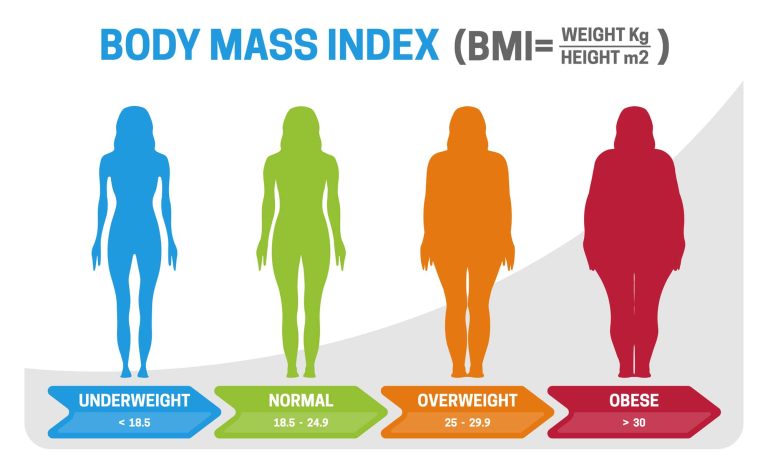
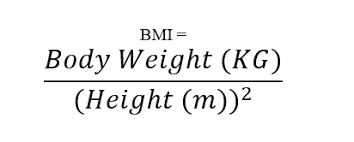
Body Mass Index (BMI): This is the most commonly used indicator. It is calculated as: weight (kg) ÷ height squared (m²).
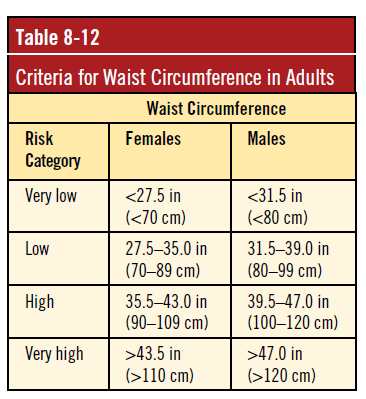
Waist circumference: Waist circumference reflects the degree of visceral fat accumulation, also known as “central obesity.” Even if the BMI is normal, an excessive waist circumference indicates a high-risk group.
Why does obesity increase the risk of tumors?
Excess adipose tissue is not only an energy storage depot, but also an active endocrine organ. It secretes large amounts of estrogen, inflammatory factors, and insulin-like growth factor, leading to chronic inflammation, insulin resistance, and hormonal imbalances. Prolonged exposure to these conditions can damage cellular DNA, induce abnormal cell proliferation, and ultimately increase the risk of cancer.
Research by the International Agency for Research on Cancer (IARC) indicates that obesity is associated with an increased risk of at least 13 types of cancer.
How to Lose Weight Scientifically and Stay Away from Cancer?
The core of weight loss lies in “controlling your diet and exercising,” but it’s definitely not about blindly dieting or excessive exercise. Scientific weight loss requires a gradual approach, generally aiming for a weight loss of no more than 0.5 kg per week, with a goal of losing 5%-10% of body weight within 3-6 months. This can significantly improve metabolic indicators and reduce the risk of cancer.
Adjusting Dietary Structure
Controlling Total Calories: While ensuring a balanced diet, it is recommended to reduce daily energy intake by an average of 30%-50%, or 500-1000 kcal.
Optimizing Dietary Patterns: Increase whole grains and reduce refined white rice and flour intake; ensure sufficient intake of fresh fruits and vegetables, but reduce the intake of high-sugar fruits and high-starch vegetables; increase the proportion of high-quality protein (such as fish, shrimp, skinless chicken breast, lean meat, and soy products); reduce the intake of fried foods, sugary baked goods, candy, fatty meats, and other high-energy foods.
Changing Eating Habits: Slow down your eating speed, avoid eating too late or too much at dinner, and avoid sugary drinks.
Maintain a regular exercise routine.
Combine aerobic and anaerobic exercise: Healthy adults are advised to engage in 150-300 minutes of moderate-intensity or 75-150 minutes of vigorous-intensity aerobic exercise (such as brisk walking, jogging, or swimming) per week, combined with 2-3 sessions of resistance training (such as push-ups, dumbbell exercises, or standing rows with resistance bands) to increase muscle mass and improve muscle endurance.
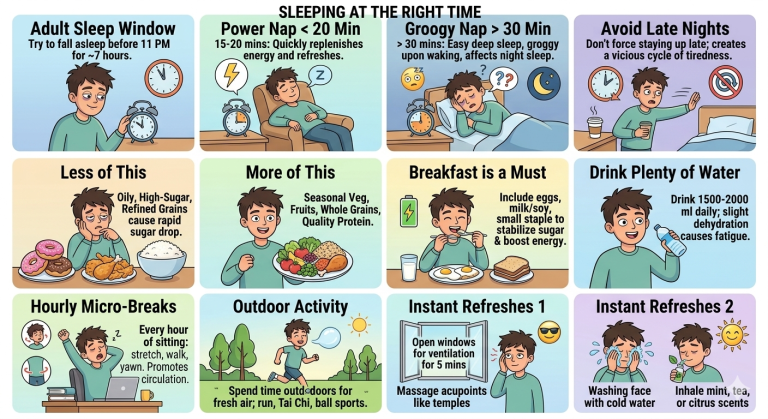
Reduce sedentary time: Get up and move around for 5-10 minutes every hour you sit.
About The Author