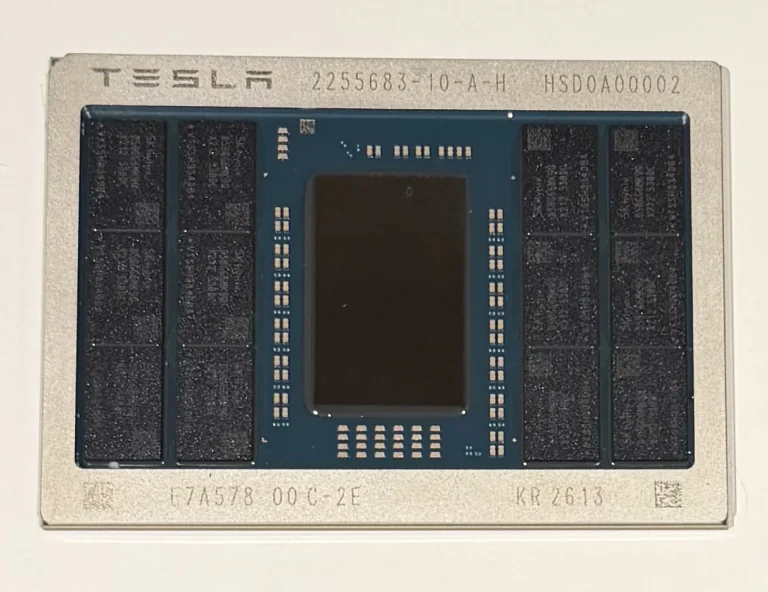

Uber is leveraging Amazon Web Services (AWS) to expand its infrastructure and AI capabilities. Uber is using AWS Graviton chips to support more Trip Serving Zones, the real-time computing infrastructure behind every ride and delivery, and has begun piloting partial AI model training on AWS Trainium chips to achieve faster ride and delivery order matching and handle global business demands.
Every time a user initiates an Uber ride or delivery request, a series of instantaneous decisions are made, such as which driver is closest, which is the fastest route, and how long the actual arrival time will take. To answer these questions accurately and instantly for millions of users simultaneously, Uber needs robust infrastructure to provide services at scale during peak hours and major events.
Uber’s Trip Serving Zones system ensures smooth operation for every ride and delivery by performing millions of predictions and processing location information within milliseconds.
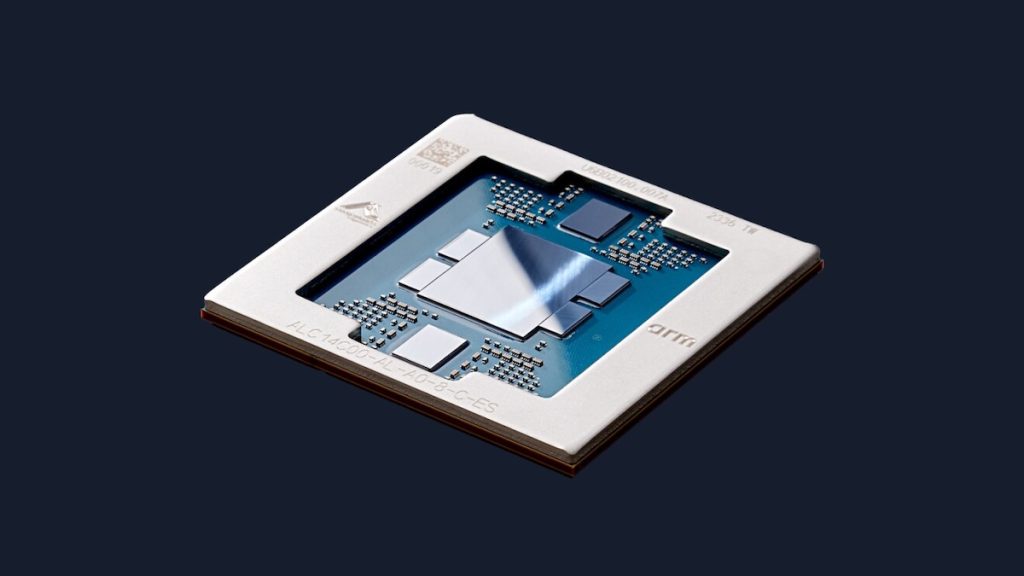
Uber is now expanding its use of AWS computing, storage, and networking services to support the real-time operation of Trip Serving Zones. By executing more workloads on AWS Graviton4 chips, Uber is able to reduce energy consumption while rapidly scaling to meet peak demand, thereby reducing latency and optimizing costs. AWS Graviton’s high performance also supports some real-time computing, helping to quickly match passengers with drivers.
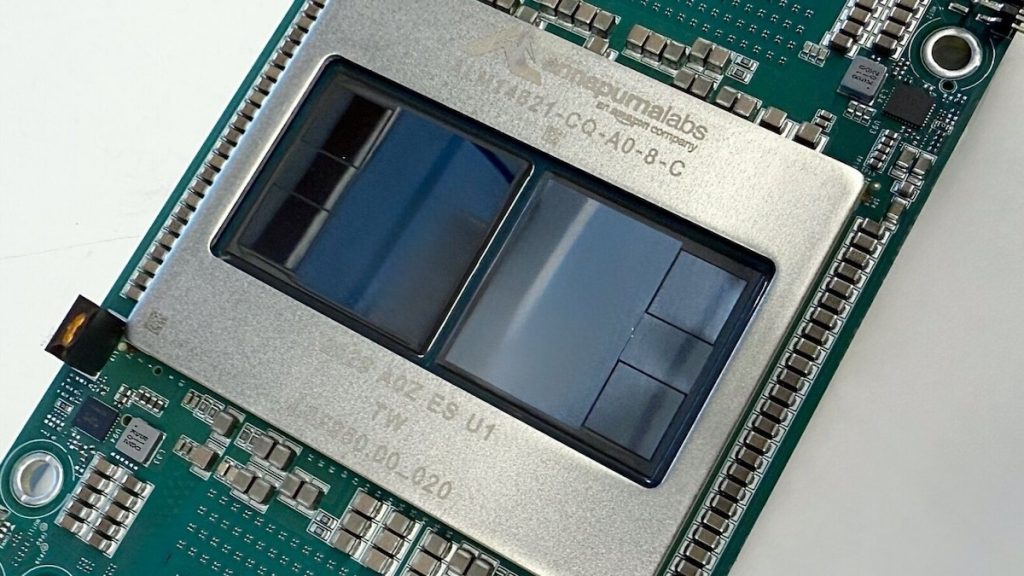
Uber has begun using AWS Trainium3 chips to train some of the AI models supporting its applications. These models analyze billions of ride and delivery data points to determine which driver or delivery person to dispatch, calculate arrival times, and recommend the most suitable delivery options to users. Such large-scale AI training requires enormous computing power, which AWS Trainium meets in a high-performance and cost-effective manner. As the models continue to learn from trip data, Uber can provide users worldwide with faster matching, more accurate estimated arrival times, and more personalized recommendations.
About The Author