
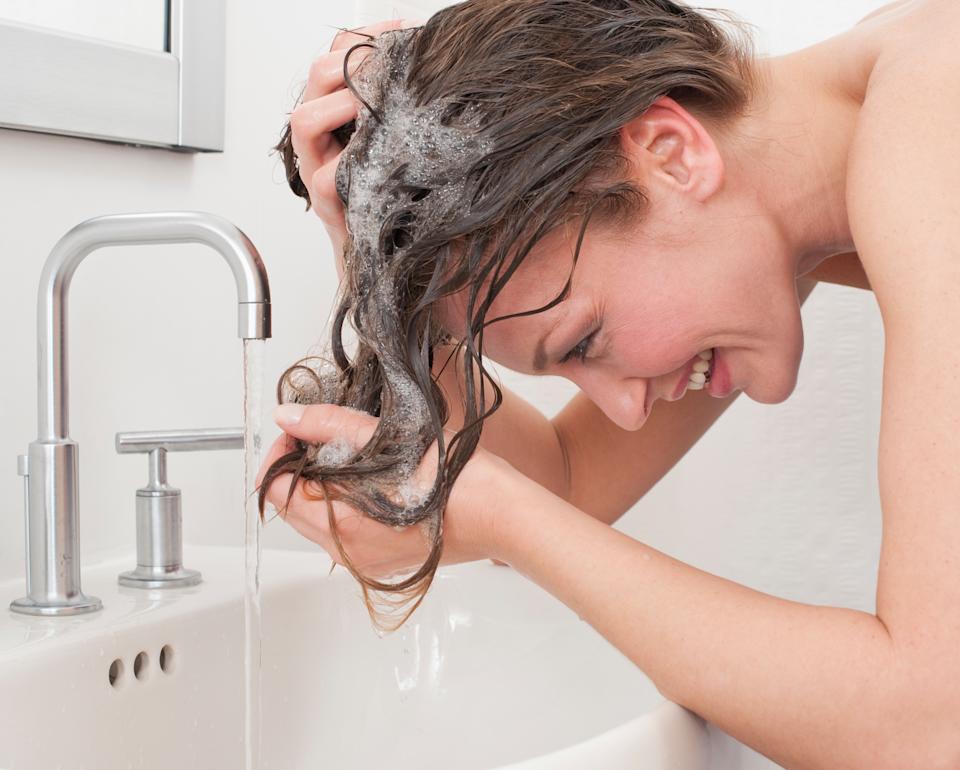
You just washed your hair in the morning, but by the afternoon, the roots are already oily. No matter how hard you wash it, the oily hair problem persists. This means the real problem might not be insufficient washing, but rather that your washing method is completely wrong! Below, we’ll break down the real reasons why hair becomes oily, helping you fundamentally improve your scalp and regain clean, bouncy hair.
Why Is My Hair Always Oily? Experts Reveal 8 Reasons for Oily Hair
Reason 1: Over-cleaning
Many people believe that washing their hair more often will make it cleaner, but experts point out that over-cleaning completely washes away the scalp’s natural protective sebum. To compensate, the sebaceous glands will accelerate sebum production, resulting in a vicious cycle of the more you wash, the oilier it gets. Generally, most people can start by washing their hair once a day, gradually adjusting to washing every other day, or even 2-3 times a week, allowing the scalp time to rebuild a healthy barrier.
Reason 2 : Product residue clogging scalp pores
Whether it’s dry shampoo powder, styling spray, or hair oil, if repeatedly applied over a long period without thorough rinsing, it will eventually become residue clogging hair follicles, making it difficult for the scalp to breathe. It is recommended to perform a deep cleansing shampoo 2 to 4 times a month to help thoroughly remove the oil and fine powder accumulated on the scalp surface, allowing the scalp to return to a light and breathable state.
Reason 3 : Not cleaning the comb
A well-used comb is actually a collection of oil, dust, styling spray residue, and scalp keratin. It may seem just a little dirty, but every time you comb, you are actually bringing these accumulated substances back to the scalp and hair. Neglecting comb hygiene can easily make hair look dull and greasy even after washing.
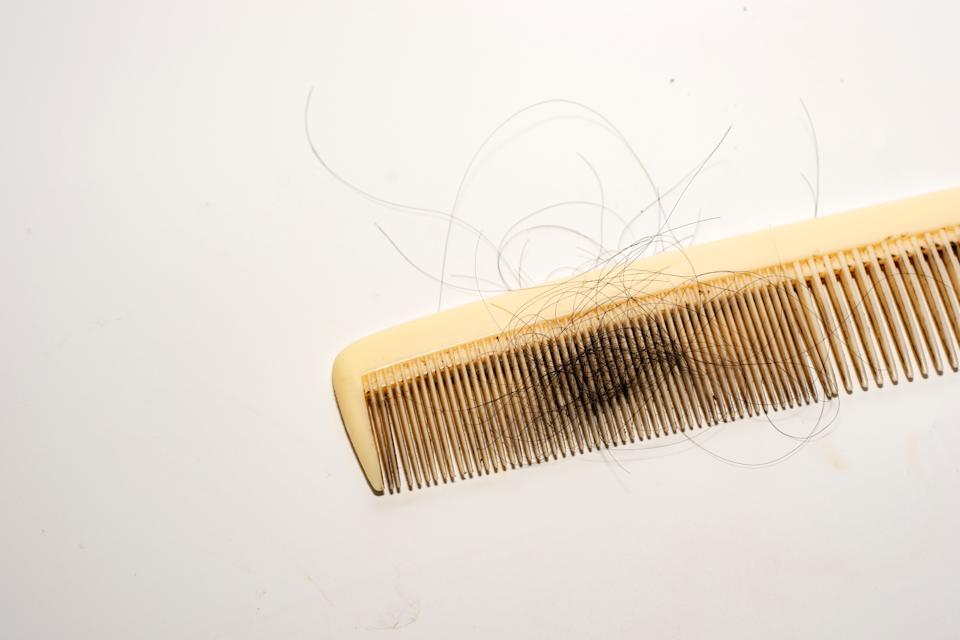
Reason 4 : Combs clogged with old hair
Some people don’t think that hair stuck in the comb is a big problem, but if that hair is already oily, using the same comb to comb through freshly washed hair is like applying old oil to new hair. Actually, simply getting into the habit of gently pulling out any loose hair from the comb after each brushing to prevent it from piling up will reduce the amount of oil circulating through the hair strands, naturally reducing the visible shine.
Reason 5: Unconsciously Touching Hair
Many people habitually run their fingers through their hair, but this action transfers sebum and dirt from their hands to the hair strands. Over time, even right after washing, hair can quickly become greasy.
Reason 6: Applying Conditioner Incorrectly
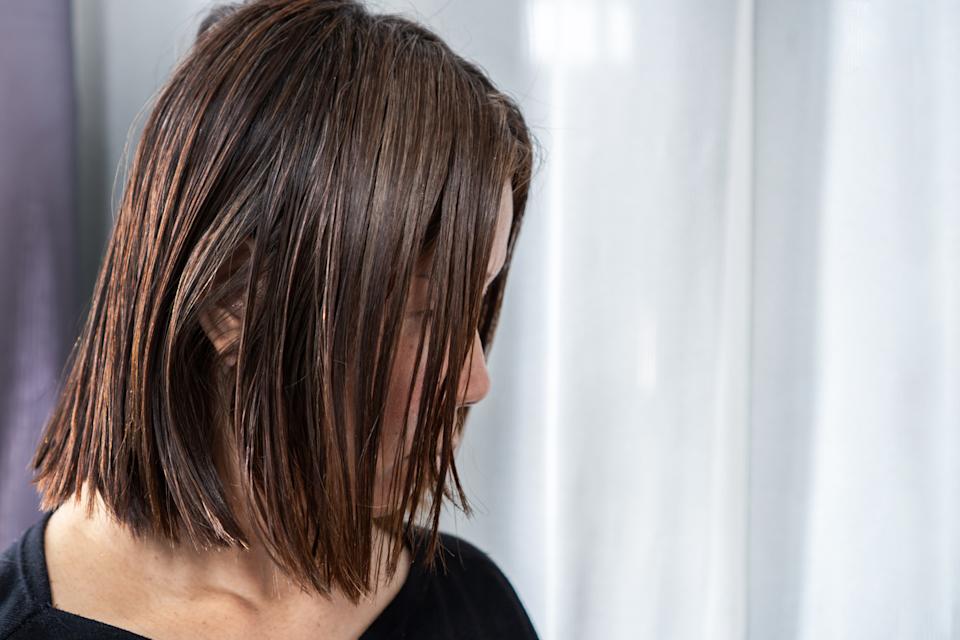
Hair care products are meant to repair dry and damaged ends, but choosing overly moisturizing or heavily oiled conditioners, or applying them from roots to ends, can easily overburden the hair. Combined with incomplete rinsing, residual conditioner will stick to the scalp and hair, making the scalp flat and greasy, and significantly reducing the appearance of hair volume. Ideally, apply conditioner concentrated from the mid-lengths to the ends of your hair, avoiding the scalp, then rinse patiently with warm water to ensure no slippery residue remains, naturally preserving lightness.
Reason 7: Choosing the Wrong Styling Products
Many styling products on the market boast high shine or extreme moisturization, making them ideal for those with dry hair or frequent dyeing. However, if your scalp is naturally oily, these heavy products can easily make your roots look sticky. Oily scalps are better suited to lightweight products with oil-control or refreshing formulas to balance styling and a clean look.
Reason 8: Over-combing
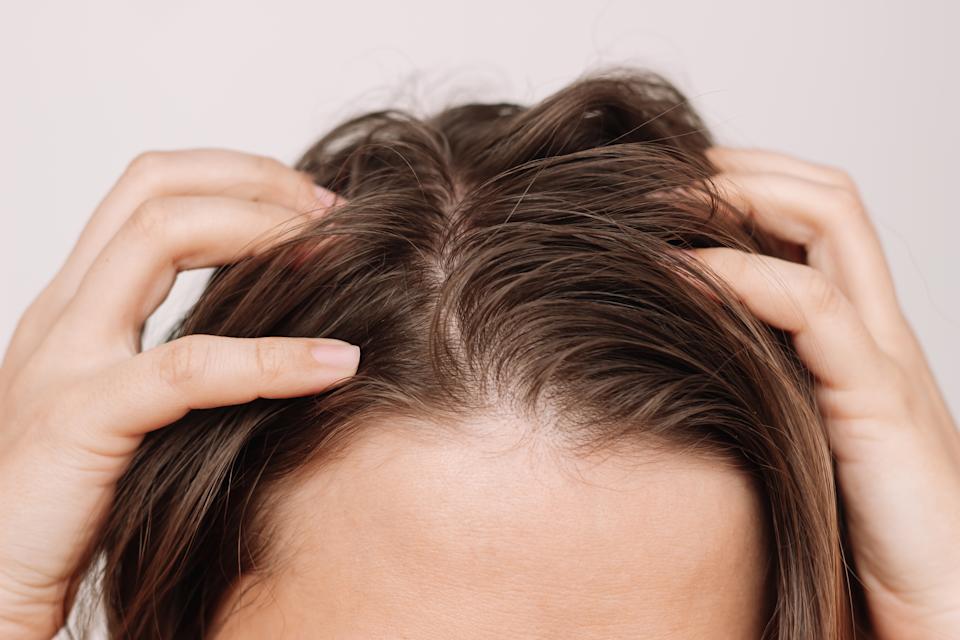
Many people believe that frequent combing makes hair shinier. In fact, each combing distributes scalp oil throughout the hair strands, initially making it look smooth and shiny, but quickly resulting in an oily appearance. It is recommended to reduce the frequency of combing your hair. Only comb gently from the middle to the ends of your hair when you need to style it. Avoid repeatedly pulling and combing from the roots to reduce stimulation of the sebaceous glands and prevent the promotion of oil secretion.
About The Author