According to the website of the Fiocruz Bahia Research Center of the Oswaldo Cruz Foundation in Brazil, a new study shows that the risk of developing Guillain-Barré syndrome (SGB) increases 17-fold within six weeks of dengue infection, with the highest risk (30-fold) in the first two weeks after symptom onset.
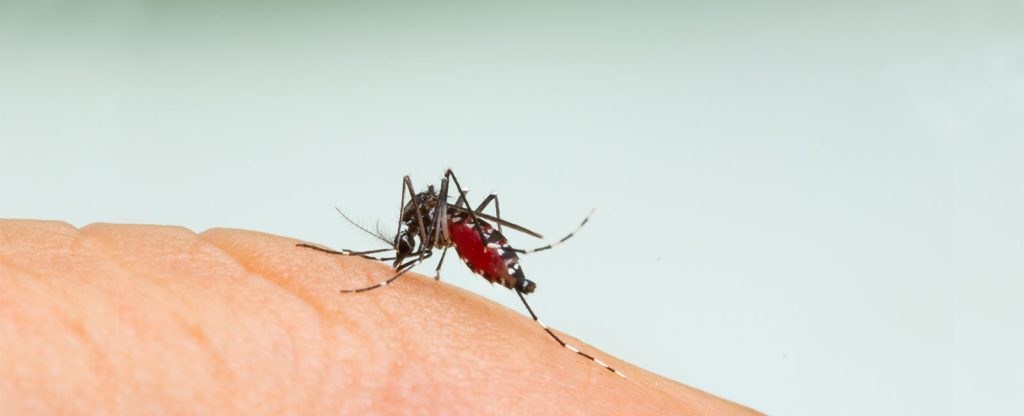
The study was published in the New England Journal of Medicine. Researchers analyzed three major databases—Brazil’s Unified Public Health System (SUS) hospitalization records, dengue case reports, and death registries—and found that among more than 5,000 hospitalizations for Guillain-Barré syndrome between 2023 and 2024, 89 occurred shortly after dengue infection, suggesting a clear epidemiological link between the two.
According to experts, Guillain-Barré syndrome is a rare but potentially life-threatening neurological disorder characterized by the immune system attacking peripheral nerves. Patients typically begin with weakness or tingling in the lower limbs, which can rapidly progress upwards, severely affecting respiratory function and requiring intensive care and mechanical ventilation. Most patients recover, but some may suffer long-term neurological damage. Currently, there is no specific antiviral treatment for dengue fever; strengthening vaccination and mosquito control measures remain key strategies for prevention and reducing the risk of serious neurological complications.
Data from the Brazilian Ministry of Health shows that from January to April 11, 2026, approximately 227,500 suspected dengue cases were reported nationwide, lower than the 916,400 cases reported during the same period in 2025, continuing the downward trend since last year. The peak was 6.6 million cases in 2024, and approximately 1.7 million cases were reported in 2025. Experts say that about 36 out of every million dengue cases may develop Guillain-Barré syndrome; although the proportion is low, vigilance is still necessary given the high incidence of dengue fever.
About The Author