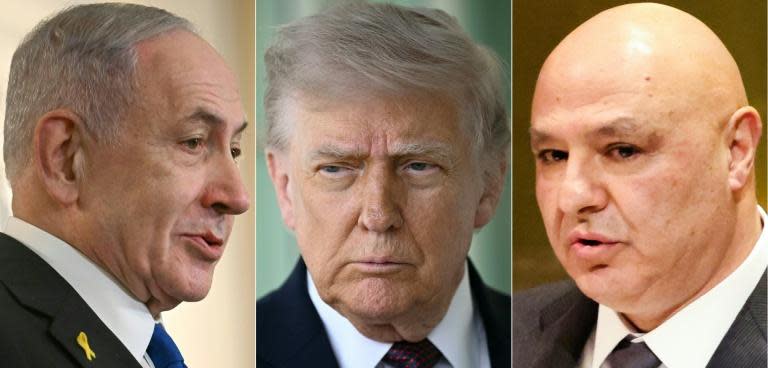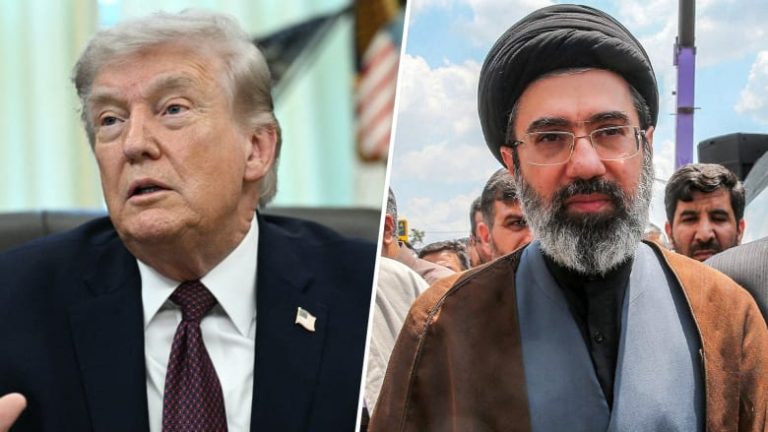
The US is believed to be discussing a second round of ceasefire talks with Iran, while a delegation from Pakistan has arrived in Tehran, the Iranian capital.
The two-week ceasefire remains in effect after more than 20 hours of Pakistan-hosted US-Iran talks ended without a result on Sunday.
Less than a day after the failure to achieve a breakthrough, US President Trump announced what he called a “new strategy” towards Iran, proposing to close the Strait of Hormuz—a strategic waterway crucial to global oil trade.
How should we view this initial setback that failed to reach an agreement, and the possibility of further negotiations? Is the US and Iran moving towards a “controlled escalation,” or are they inevitably sliding into a larger-scale war?
Here are four possible scenarios:
1. A Fragile Ceasefire: A “Tactical Pause”
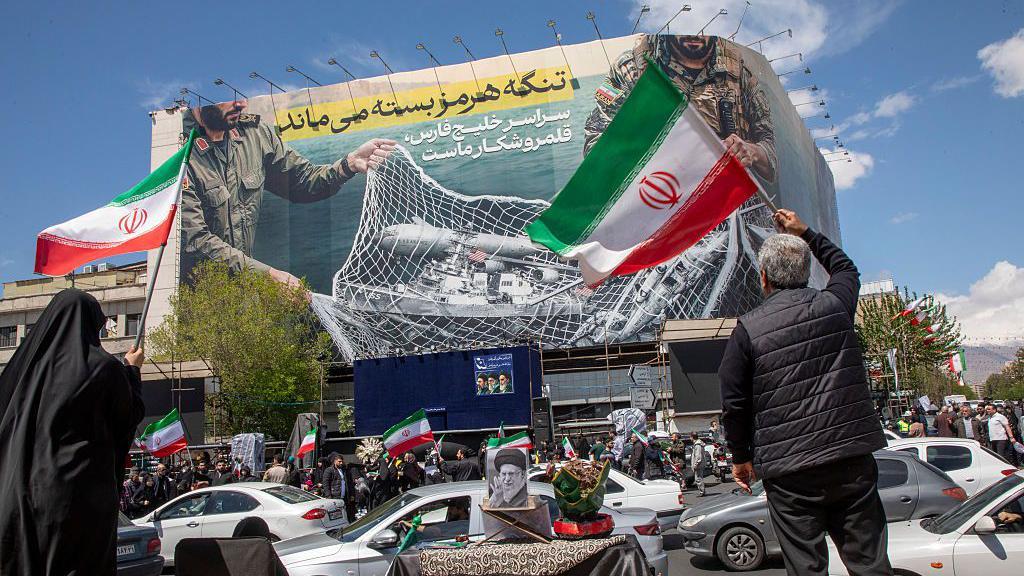
On April 8, Iran and the US reached a two-week ceasefire agreement, and celebrations immediately took place in Tehran.
After weeks of fighting, the US-Iran ceasefire seemed to indicate that both sides intended to control the crisis. However, from the outset, this ceasefire has been accompanied by significant ambiguity.
Different interpretations of its terms—including geographical scope, types of targets covered, and even the definition of “ceasefire violation”—have led some observers to believe that the agreement is more of a tactical pause than a sustainable framework.
“Once a conflict breaks out, the chances of reaching an agreement from the outset are close to zero,” said Behnam Ben Taleblu, a senior fellow at the Foundation for the Defense of Democracy (FDD) in Washington.
“These principles, positions, and policies are issues that have been at odds between the United States and the Islamic Republic of Iran for years, and in the short term, the war has not narrowed these gaps but rather exacerbated them,” he told BBC Persian News.
Meanwhile, conflicting statements from officials on both sides have deepened the fragility of the situation.
Iranian officials claim the ceasefire has been violated multiple times, while the United States and Israel have adopted a more limited interpretation of their own commitments.
This narrative divergence has further deepened distrust and cast a shadow over the ceasefire’s sustainability.
If efforts to return to the negotiating table fail, a ceasefire is likely to become merely a buying opportunity, allowing all parties to pause, resume, regroup, reassess their positions, and prepare for the next phase.
This scenario is more likely to occur if one party deems the current situation unprofitable and believes a significant increase in pressure is necessary.
For example, the United States might consider attacking critical infrastructure—power plants, bridges, or energy facilities—as an option.
While such strikes could create immense pressure in the short term, they would also have broad humanitarian and economic consequences and could provoke a stronger response from Iran.
Meanwhile, Israel, which has consistently been highly skeptical of negotiations, could also become a significant player in influencing the situation.
“Israel might take action, such as assassinating Iranian individuals or figures, including those involved in the negotiations,” said Hamidreza Azizi, an international relations researcher.
“Trump’s proposal to close the Strait of Hormuz, even unintentionally, increases the risk of escalation,” he added.
While escalation cannot be ruled out, its potential costs—such as triggering broader regional conflict and global economic stress—may make this scenario less likely in the short term.
2. “Shadow Warfare” “Controlled escalation” could involve limited attacks on infrastructure, military targets, or even supply lines.
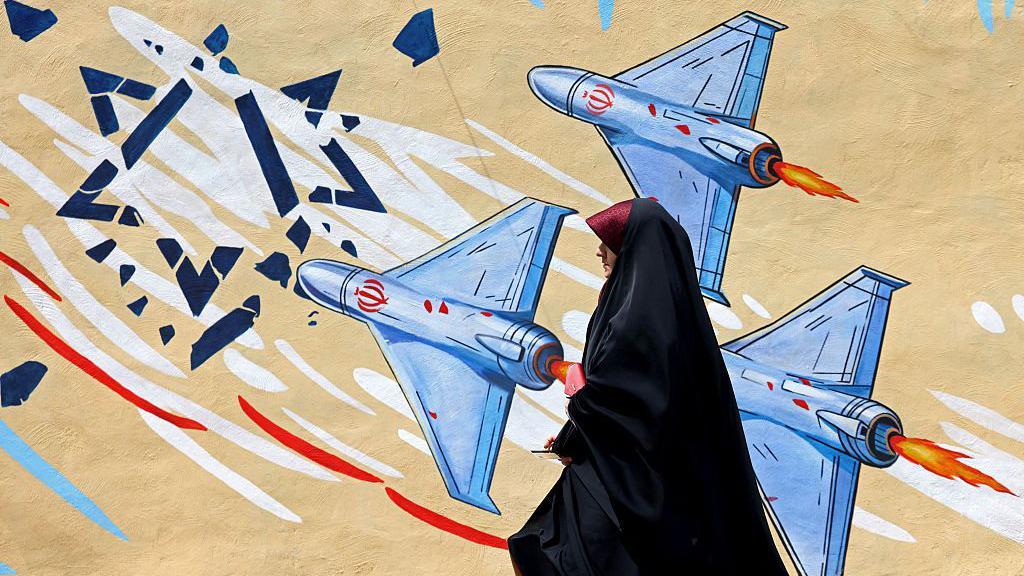
One scenario—perhaps one of the most likely—is a return to a confrontational model that could be termed “controlled escalation.”
This means the conflict will neither escalate to a full-blown war nor bring either side to a complete halt in military operations. This could include continued limited attacks on infrastructure, military targets, and even supply lines.
In this scenario, the role of proxy forces becomes more important. Increased activity by Iranian-backed groups in Iraq or the Red Sea region, coupled with greater U.S. pressure on these networks, could broaden the geographical scope of the conflict without directly escalating its intensity. Some analysts describe this as “shadow warfare.”
“Both sides want to use their options and leverage to influence the other without escalating to a full-blown war,” Hamidreza Azizi told BBC Persian News.
“If the ceasefire is breached, Iran is likely to take new action through its allies—particularly in Yemen,” he added.
However, this scenario is not without risk. As tensions escalate, the risk of miscalculation also increases; even if neither side intends to escalate, a single misjudgment could push the conflict out of control.
3. Silent Diplomacy Continues
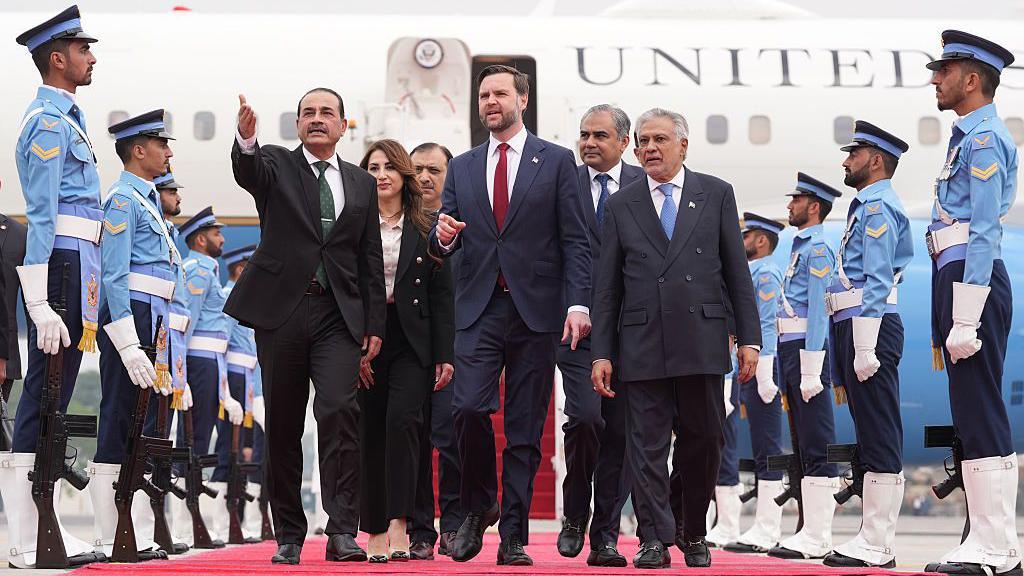
Despite the failure of negotiations in Pakistan, a new round of diplomatic efforts may still be underway.
Although the negotiations in Pakistan were unsuccessful, it is not yet possible to say that diplomacy has reached its end or that negotiations have been completely ruled out.
As the host of these talks, Pakistan is likely to continue its efforts in the coming days, facilitating an agreement by relaying messages between Tehran and Washington.
Meanwhile, some traditional mediators—such as Qatar, Oman, and even Saudi Arabia and Egypt—may also begin to actively act as conduits for communication, attempting to prevent a sudden escalation of the crisis, fearing the conflict might spiral out of control.
However, the key is that any progress along this path depends on the ability of both sides to narrow their fundamental differences.
The 15-point proposal from the US and Iran’s 10-point counter-proposal demonstrate that both sides remain operating within their own frameworks, prioritizing their own positions rather than seeking compromise.
Therefore, while a new round of negotiations is not impossible, expecting a swift and comprehensive agreement in the short term seems unrealistic.
4. Continued Maritime Blockade
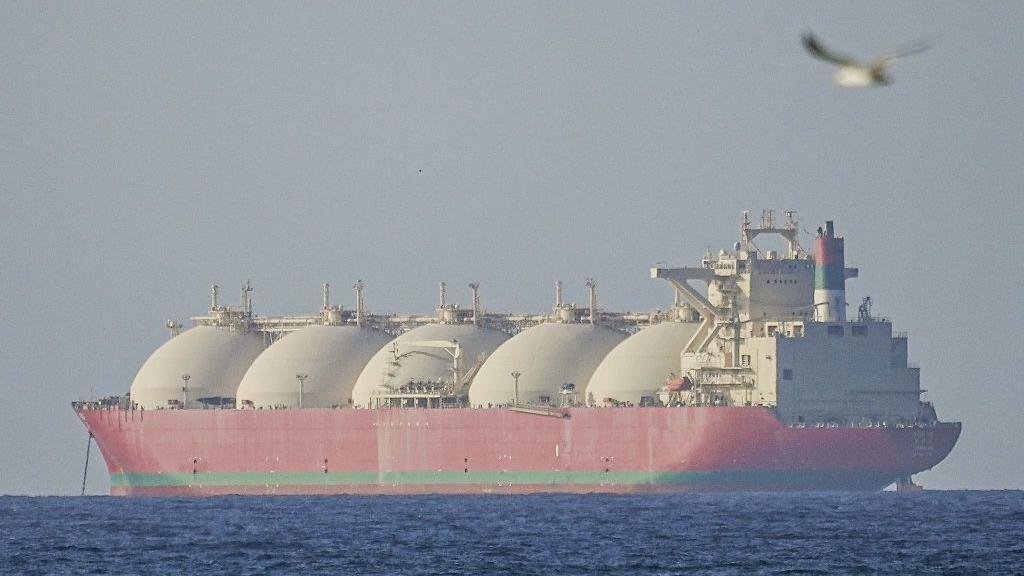
The Iranian military warned that a continued US maritime blockade would threaten shipping in the Gulf, the Red Sea, and the Gulf of Oman.
The US president announced that the country’s navy intends to impose a maritime blockade on Iran, preventing any ships or oil tankers from passing through the Strait of Hormuz.
He also threatened to intercept any vessels paying tolls to Iran for passage through the strait in international waters—a strategy seemingly aimed at cutting off Iran’s oil revenues, crippling its economy, and simultaneously striking at China, one of the US’s most important competitors and a major buyer of Iranian crude oil.
“A maritime blockade of Iranian ports could be very effective if sufficient intelligence, surveillance, and reconnaissance (ISR) resources are invested,” said Behnam bin Taleblou, noting Iran’s long coastline.
“The practical effect of this measure will be to deprive the country’s government of its ability to export its main commodities.”
However, other analysts point out that this policy could impose significant costs on the United States, bringing its military forces closer to Iran and making them more vulnerable to attack.
Furthermore, for this plan to be truly effective, naval forces must be permanently deployed near the Iranian border, incurring considerable expenses.
Maintaining this policy could also drive up global oil and energy prices, while increasing the likelihood of Houthi intervention in the Bab el-Mandeb Strait, further pushing up oil prices.
Iran and the United States may have entered a phase where war and negotiations are unfolding simultaneously.

Ultimately, what emerges from these scenarios is the fact that the region has entered a phase where the line between war and peace is more blurred than ever before.
The failure of Pakistan’s negotiations does not signify the end of diplomacy, nor does it mean that a larger-scale war has officially begun; rather, it points to a continuation of a gray area situation.
“Although both sides hope that this conflict can end, it seems unlikely in the short term,” said Hamidreza Azizi.
In the current environment, tactical decisions, security issues, and even minor changes on the ground can have an amplified impact on the overall course of the crisis.
This has led many analysts to discuss the region’s “structural instability”—a state where the rules of the game are not yet fully established and the outcome is unpredictable.
In this context, perhaps the most apt description is that Iran and the United States have entered a phase where war and negotiation are unfolding simultaneously. Both sides continue to rely on military means while maintaining some diplomatic channels open.
About The Author