According to appreviewpros.com on April 12, automatic wipers are one of Tesla’s most criticized features, but a Tesla executive confirmed that the feature has recently received a major upgrade, and all of its models will benefit from it.
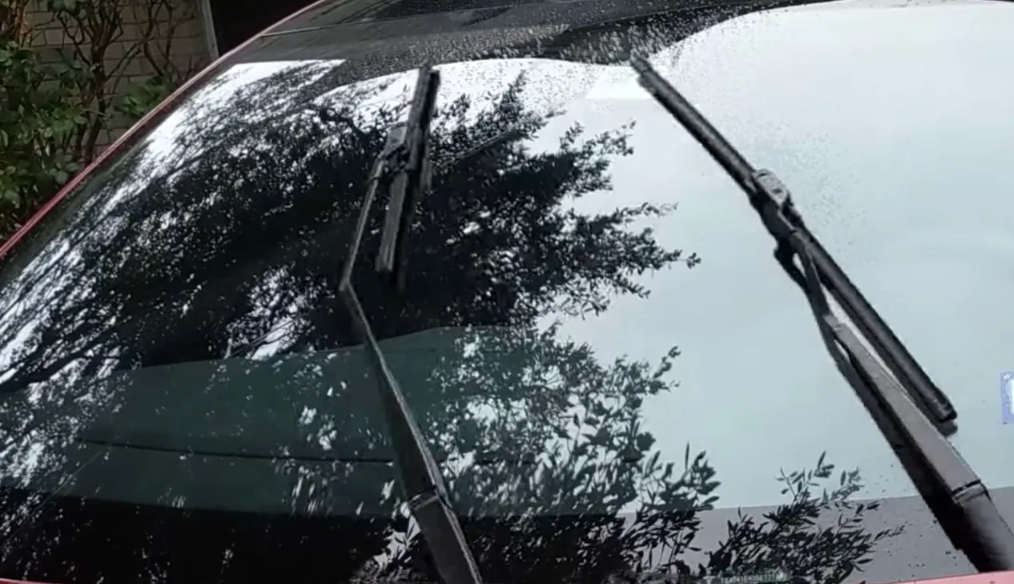
Tesla has quietly rolled out a major over-the-air (OTA) update to its entire fleet, incorporating a new patent that promises to completely resolve one of the most criticized features in its vehicles: automatic windshield wipers.
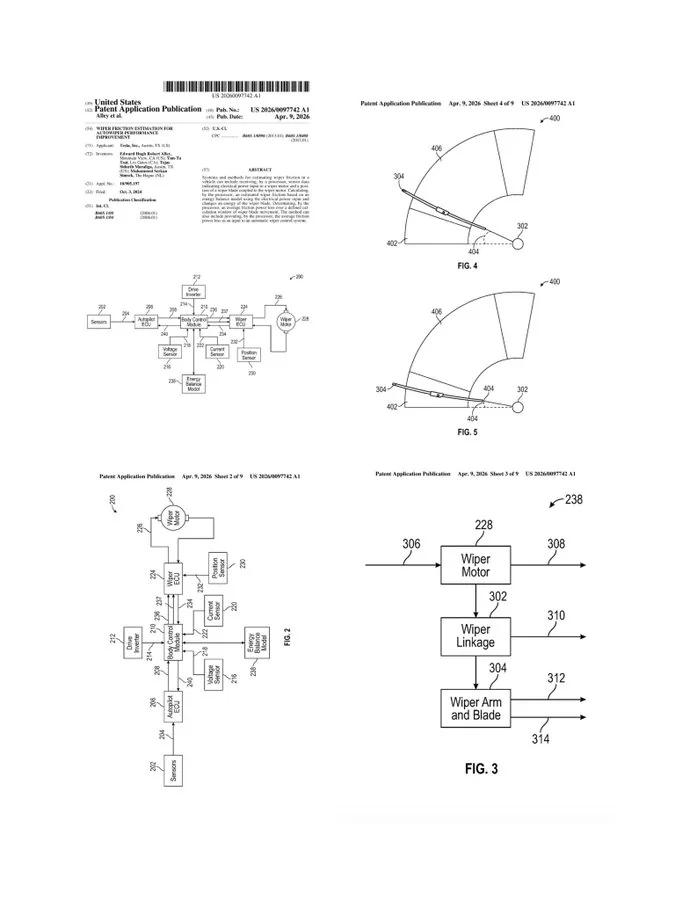
Tesla AI Senior Engineer Yun-Ta Tsai confirmed on April 10 that this improvement is based on US patent US 20260097742 A1. This patent introduces an “energy balance model,” adding a tactile physical perception layer to the existing pure camera vision system without requiring any new hardware.
Since Tesla abandoned traditional rain sensors and switched to Tesla Vision around 2018, owners have consistently complained about the automatic wipers.
Owners generally report that in light rain or fog, the wipers often fail to activate, resulting in water streaks on the windshield and severely impairing visibility. Conversely, in sunny, dry weather, the wipers frequently operate at high speeds, producing a harsh screeching sound on the glass and easily causing scratches or premature wear on the wiper blades. These extreme problems are now less frequent, but many owners still report that the wiper speed or frequency remains inappropriate during rain.
Tesla has previously attempted to fix the issue solely through software. Early projects like the “Deep Rain” program and the Automatic Wipers V4 version released in 2023 both used multi-camera imaging and optimized neural networks, with Elon Musk promising its performance would be “very good.” The 2024.14 update added manual sensitivity adjustment, and subsequent FSD versions claimed further optimizations, but related complaints persist.
Pure vision systems struggle with edge scenarios such as glare, insect tracks, reflections, and fog because they rely solely on visual judgment rather than physical sensing.
The new patent employs a completely different technological approach: the vehicle’s computer continuously monitors the wiper motor’s power supply. After deducting predictable losses such as internal motor friction, linkage resistance, and air resistance, the remaining value represents the friction between the wiper blade and the windshield.
Rain lubricates the glass, significantly reducing friction; dry or icy roads significantly increase friction. This real-time “tactile” data independently verifies the camera’s visual signal, immediately preventing false triggering on dry glass and precisely adjusting wiper speed based on actual rainfall.
The system can also identify icy conditions and automatically activate the defrost heating function. Long-term friction change data can also remind the owner to replace the wiper blades in a timely manner.
By integrating visual perception with precise physical data on motor load, Tesla has created a simple and zero-cost hybrid sensing solution. Owners have been hoping for reliable automatic wipers for years, and this OTA update may finally fulfill their wish.
About The Author