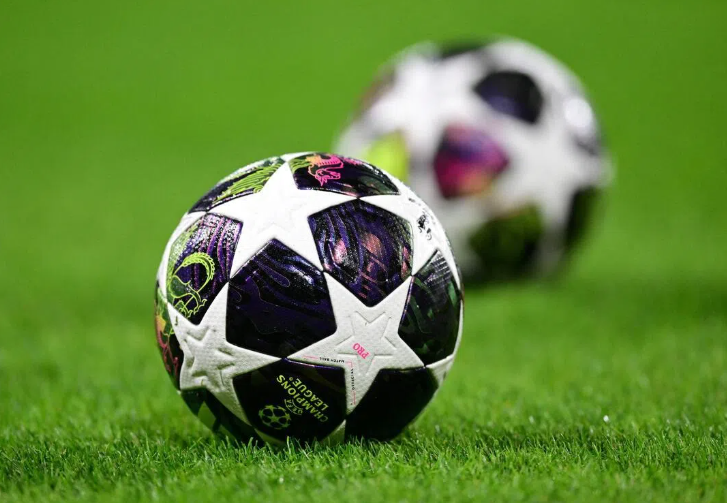
Reuters reported on April 9th that UC3, an investment company jointly established by UEFA and European football clubs, confirmed it is currently in exclusive negotiations with Nike to make the latter the official match ball supplier for all UEFA men’s club competitions.
This partnership had been firmly held by Adidas for 25 years. For Nike, which is currently struggling to turn around its financial situation, securing this contract would undoubtedly be a significant breakthrough.
However, industry analysts are not optimistic that this contract will completely save Nike’s situation. The brand’s most prominent problem is its inability to keep up with product innovation and produce sufficiently competitive new products. M Science analyst McFarlane believes that this partnership is unlikely to bring significant overall performance improvement to Nike in the short term, at most playing a supporting role in its medium- to long-term development.
According to UC3, the new contract will run from 2027 to 2031. Prior to this, Nike had already secured the official supplier contract with the German Football Association from Adidas, demonstrating its increasing investment in the football sector. As of now, Nike has not issued any response regarding this matter.
Meanwhile, Adidas has explicitly stated that it will not renew its contract with UEFA, while also mentioning that it was honored to have created a series of classic match balls remembered by fans, leaving behind many memorable moments in this long-term partnership.
In recent years, Nike’s overall performance has been less than satisfactory, with a slow pace of product innovation. Coupled with the continuous market encroachment by emerging brands like On and HOKA, its situation has been difficult. CEO Hill, who will take office in 2024, has also publicly stated that the focus will be more on core sports like football.
UEFA’s financial report shows that the 2024-2025 Champions League will have a global audience of approximately 1.2 billion. Such massive exposure presents a significant promotional opportunity for Nike, which is looking to get back on track. Nike’s biggest challenge right now remains in the Chinese market. It can’t clear its old inventory, and new sneakers are failing to stimulate consumer demand, resulting in double-digit sales declines for several consecutive quarters.
Analyst Swartz bluntly stated that sports sponsorships cannot solve Nike’s fundamental problems. Many competitors achieve outstanding results even with minimal sponsorships. Ultimately, Nike must rely on distinctive and practical products to attract consumers.
Furthermore, according to the Financial Times, citing sources familiar with the matter, the sponsorship deal, covering multiple UEFA men’s football competitions, could double in value annually, exceeding €40 million.
About The Author