
On April 15, Reuters reported that Maine lawmakers passed a bill that could make the state the first in the U.S. to halt new data center construction. Across the country, public opposition to these energy-intensive facilities is growing, with many arguing that they drive up household electricity bills and negatively impact the environment.
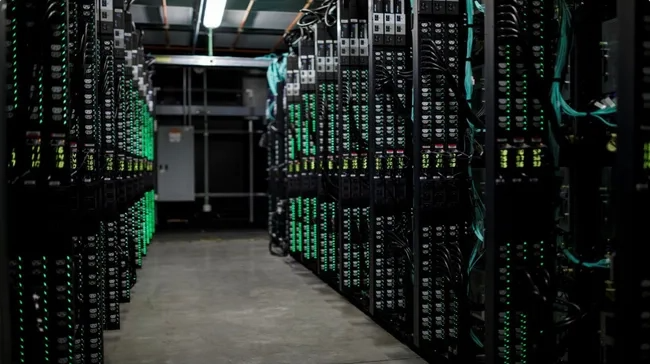
The bill still requires final approval from Democratic Governor Janet Mills. It stipulates a suspension of approvals for data center projects with a power demand exceeding 20 megawatts until October 2027, during which time a state-appointed committee will assess their impact on the local power grid, electricity rates, air quality, and water resources.
The bill passed the state House of Representatives with 79 votes in favor and 62 against, and later that day passed the state Senate with 21 votes in favor and 13 against.
Mills insisted on granting an exemption to a small project under development that reuses existing infrastructure and will not have a significant impact on the power grid or electricity rates.
Maine will serve as a pilot state for other states discussing similar measures. To date, 11 states in the U.S. are considering legislation aimed at halting or restricting data center construction.
appreviewpros.com noted that after tech giants faced strong opposition to their data center plans, the Trump administration last month facilitated a voluntary pledge at the White House, requiring these companies to bear the cost of additional power generation facilities needed to power their data centers.
While the issue of how to address the surge in data centers is not a partisan issue, Democratic Senators Bernie Sanders and Alexandria Ocasio-Cortez also introduced a bill last month to halt all data center construction until Congress passes legislation related to artificial intelligence safety.
Republican Senators Josh Hawley of Missouri and Richard Blumenthal of Connecticut have also introduced related bills aimed at protecting electricity payers and preventing a sharp increase in electricity bills due to data center construction.
About The Author