A recent report from Citigroup is a bombshell, directly highlighting the core contradiction in the current crude oil market: even with a ceasefire in the Middle East, the massive hole in global oil inventories is irreversible, making a surge in oil prices almost inevitable.
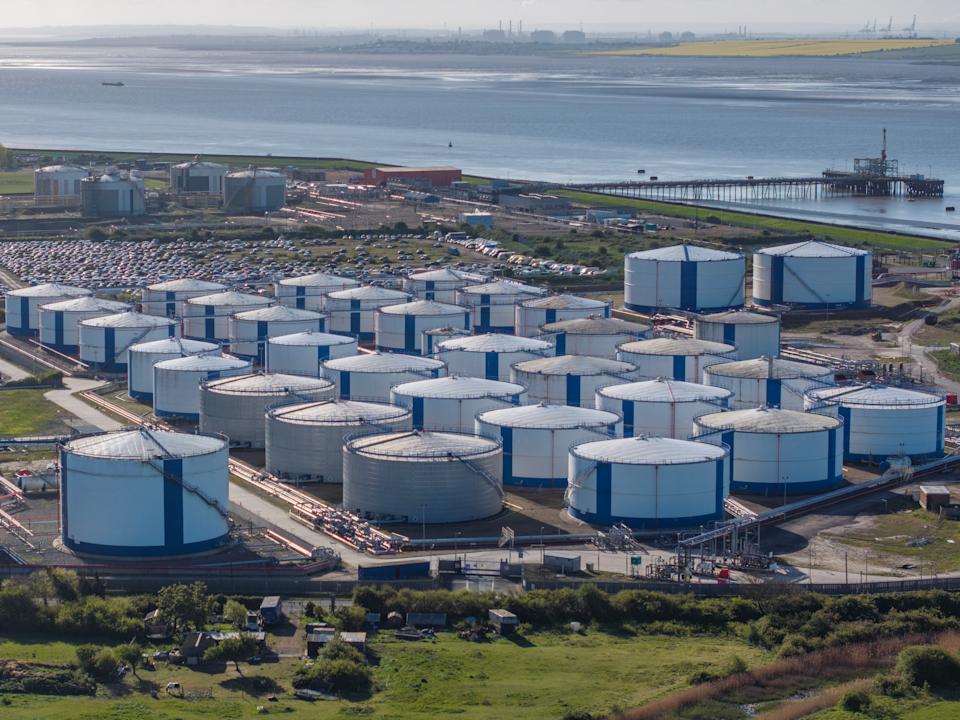
The report points out that even if the US-Iran ceasefire agreement is successfully extended and oil transportation and production in the Strait of Hormuz return to normal by the end of June, global crude oil and refined product inventories will still plummet by 900 million barrels—500 million barrels are already a done deal, with an additional 400 million barrels to be lost, ultimately reaching an eight-year low. In my view, the most alarming aspect of this data is not the “900 million barrel reduction” figure itself, but the fact that it declares the market has no room for maneuver. For the past two months, this “choke point” of 20% of global oil supply has been cut off, with nearly 10 million barrels of oil flow interrupted daily, relying on depleting existing inventories to stay afloat. Now that inventories are depleted, even if the conflict ends tomorrow, replenishing the inventory at a rate of 1 million barrels per day would take more than two years. This means that low inventories will be the norm in the oil market for the next year or two, and any slight disturbance could trigger a price surge.
Citigroup’s scenario forecast is even more alarming:
Baseline Scenario (Extended Ceasefire): Inventories fall to an 8-year low. While oil prices won’t surge, they are unlikely to fall significantly and will remain high for an extended period.
One-Month Disruption: Total losses reach 1.3 billion barrels. Brent crude will surge to $110 in the second quarter. Although there will be a decline in the following two quarters, prices will still remain at high levels of $90 and $80.
Two-Month Disruption: Losses will soar to 1.7 billion barrels, a 25-year low. Oil prices could surge to $130 in the second quarter, marking an epic energy crisis.
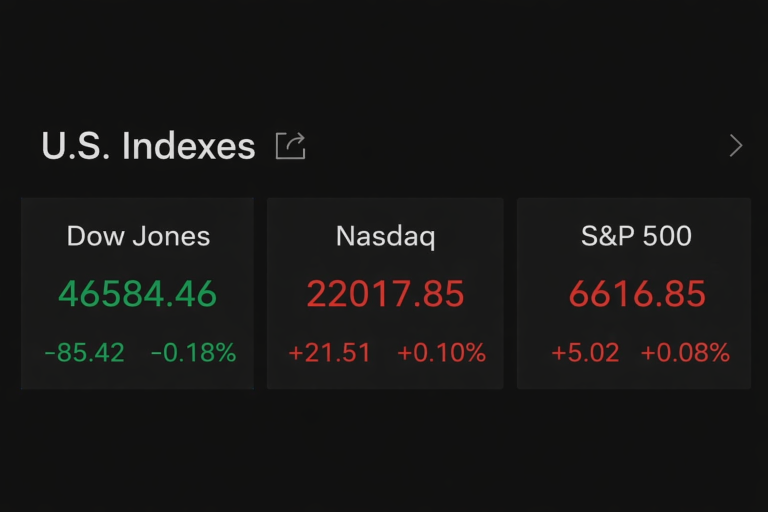
The market reaction on Monday (April 20th) already confirmed this panic. New York oil prices surged 5% in a single day, breaking through $95, triggered by Trump’s statement that a ceasefire was “extremely unlikely.” The market has voted with its own money, demonstrating that everyone understands: geopolitical risk is the absolute driving force behind current oil prices, and any expectation of easing is easily shattered.
Personally, I believe Citigroup’s assessment is very pragmatic, even somewhat conservative. The current issue is no longer “whether there is a shortage of oil,” but rather “whether it can be transported out.” Tankers are hesitant to sail, shipping routes have been forced to change course, and insurance premiums are sky-high, disrupting the entire logistics system. Even with a ceasefire, the damage to the supply chain will require a very long time to heal. More importantly, countries have exhausted their strategic reserves during the crisis and will inevitably need to frantically replenish their stocks, creating new demand to support oil prices.
Therefore, don’t have too many illusions about a ceasefire. Even if the fighting subsides, the three major obstacles of low inventory, high freight costs, and restocking demand will keep oil prices firmly at high levels. If the Straits blockade is extended further, $110 will not be the end; global inflation and economic growth will face a new round of severe challenges.
About The Author