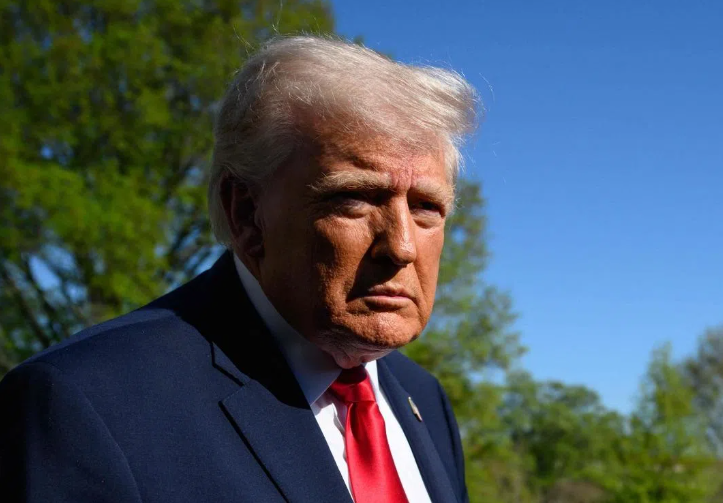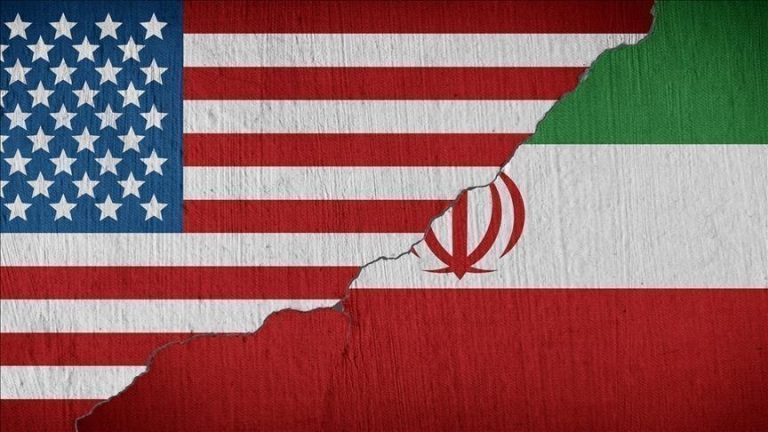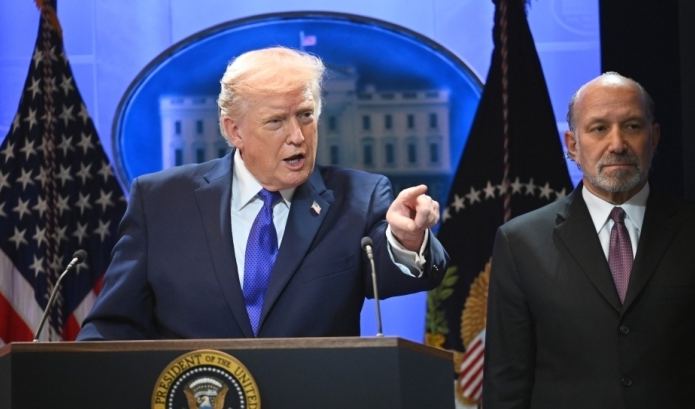
US President Trump stated on the 13th that Iran had called the US that morning, indicating that “they want to reach an agreement.” According to US media reports, contact between the US and Iran continues, and the US government is discussing details of a possible second face-to-face meeting. On the same day, in response to the US blockade measures, the Iranian military emphasized implementing a “permanent mechanism for controlling the Strait of Hormuz” and defending the security of Iranian ports.
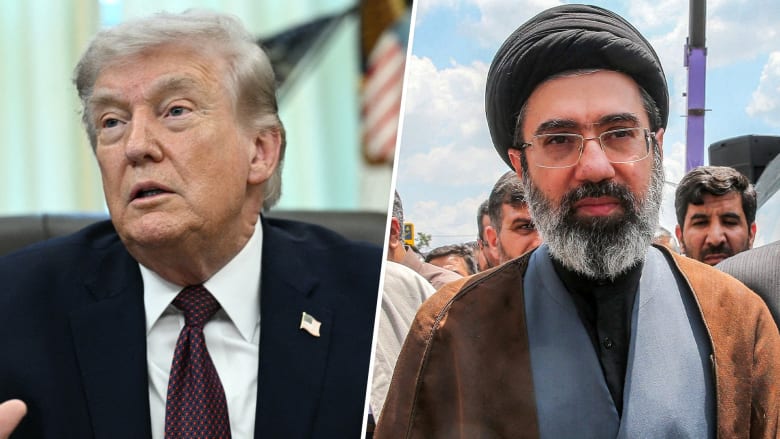
Trump told reporters at the White House on the 13th that the US received a call that morning from “the right people” in Iran who expressed a desire to reach an agreement, but he would not reach any agreement that would allow Iran to possess nuclear weapons. He also stated that another US priority is to recover or “reclaim” the enriched uranium held by Iran.
Trump confirmed that the US had imposed a blockade on all ships entering and leaving Iranian ports starting at 10:00 AM Eastern Time on the 13th. He stated that 34 ships passed through the Strait of Hormuz on the 12th and that “other countries will help” the US blockade Iranian ports, but did not specify which countries.
However, Trump’s statements were subsequently dismissed as “lies” by Iranian media. Iran’s Tasnim News Agency reported that a review of data from multiple ship tracking agencies showed that Trump’s claims lacked statistical support. Data showed that over the past seven days, 5 to 12 ships passed through the Strait of Hormuz daily, most of which were related to Iran.
According to multiple US media reports on the 13th, contacts between the US and Iran are continuing, and “progress is being made in reaching an agreement.” US government officials are internally discussing details of a second face-to-face meeting before the expiration of the temporary ceasefire agreement. Sources indicated that Geneva, Switzerland, and Islamabad, Pakistan, are being considered as locations for the new round of talks. Furthermore, the US and Iran may extend the ceasefire for another two weeks to allow more time for negotiations.
On the same day, Iran repeatedly issued strong statements regarding the security of the Strait of Hormuz and its ports. A spokesperson for the Khatham Anbia Central Headquarters of the Iranian Armed Forces stated that given the continued threat to Iran’s national security from adversaries, Iran will resolutely implement the “permanent mechanism for controlling the Strait of Hormuz,” and enemy vessels are now and will not have the right to pass through the Strait of Hormuz, while other vessels will continue to be permitted to pass through the strait. The spokesperson warned that if the security of Iranian ports in the Persian Gulf and the Sea of Oman is threatened, then no port in those waters will be safe.
Furthermore, Iran’s acting Defense Minister Ibn Reza stated that the Iranian armed forces are on the highest level of alert, and any hostile action will be met with a “strong and decisive response.” A spokesperson for the Iranian Islamic Revolutionary Guard Corps said that if the war continues, the Revolutionary Guard will demonstrate “capabilities that the enemy cannot anticipate.” A spokesperson for the Iranian Ministry of Defense said that the Iranian armed forces possess sufficient missiles, drones, weapons, ammunition, and other military equipment to continue offensive and defensive operations.
In documents submitted to the Legal Committee of the International Maritime Organization on the 13th, Iran disclosed that the military strikes launched by the United States and Israel against Iran caused serious damage to its maritime transport and personnel safety, resulting in the sinking of 39 merchant ships, the destruction of 110 traditional fishing vessels, and the deaths of 20 sailors. The document also shows that the US-Israeli military operation resulted in the deaths of more than 3,000 Iranian civilians, including 277 students; the destruction of more than 125,000 civilian facilities; the destruction of 339 hospitals, 857 schools and 32 universities; and the displacement of approximately 3 million people, of whom 500,000 were homeless.
About The Author