
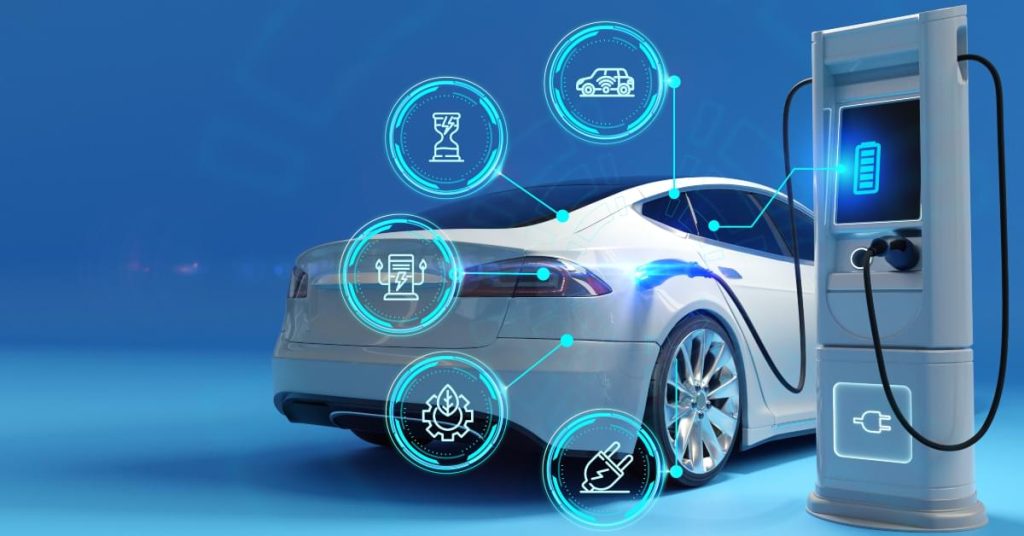
With the US-Iran negotiations stalled, global oil prices are likely to remain high, driving demand for electric vehicles. Multiple car sales platforms in the US and Europe reported a significant increase in consumer interest in electric vehicles in the first quarter of this year. The automotive industry is skeptical about the sustainability of this enthusiasm, believing that the current growth may be short-lived, but demand will stabilize at higher levels in the future.
The stalled US-Iran negotiations have increased the likelihood that global oil prices will remain high in the medium term, prompting consumers to quickly seek alternatives to gasoline, which has also driven the renewed growth in demand for electric vehicles.
Since the outbreak of the US-Iran conflict in late February, multiple car sales platforms in North America and Europe have reported a significant increase in consumer interest in electric vehicles.
First-quarter data shows that sales of used electric vehicles in the US increased by 12% year-on-year and 17% quarter-on-quarter. A key factor driving US consumers to choose electric vehicles is likely high oil prices, with the average price of gasoline in the US recently exceeding $4 per gallon.
The European market has also seen a boost in demand for electric vehicles. UK electric vehicle expert Octopus Electric Vehicles reported a 36% increase in inquiries about electric vehicle leasing during the same period. Mobile.de, Germany’s largest online car marketplace, also noted that its search share for electric vehicles increased from 12% to 36% since early March.
French online used car retailer Aramisauto reported that its electric vehicle sales share nearly doubled between February 16 and March 9, rising from 6.5% to 12.7%, while the share of gasoline-powered vehicles fell from 34% to 28%, and diesel vehicles from 14% to 10%.
A Cautious Electric Vehicle Industry: Driven by expectations of further oil price increases, many consumers are re-evaluating their mobility options. For those who frequently drive long distances, purchasing an electric vehicle may be more cost-effective than increasing weekly gasoline expenses.
Steffen Michulski, senior consultant at JATO Dynamics, stated that rising oil prices and renewed focus on energy security may boost demand for pure electric vehicles in the medium term, but this is a gradual shift rather than a sudden market acceleration.
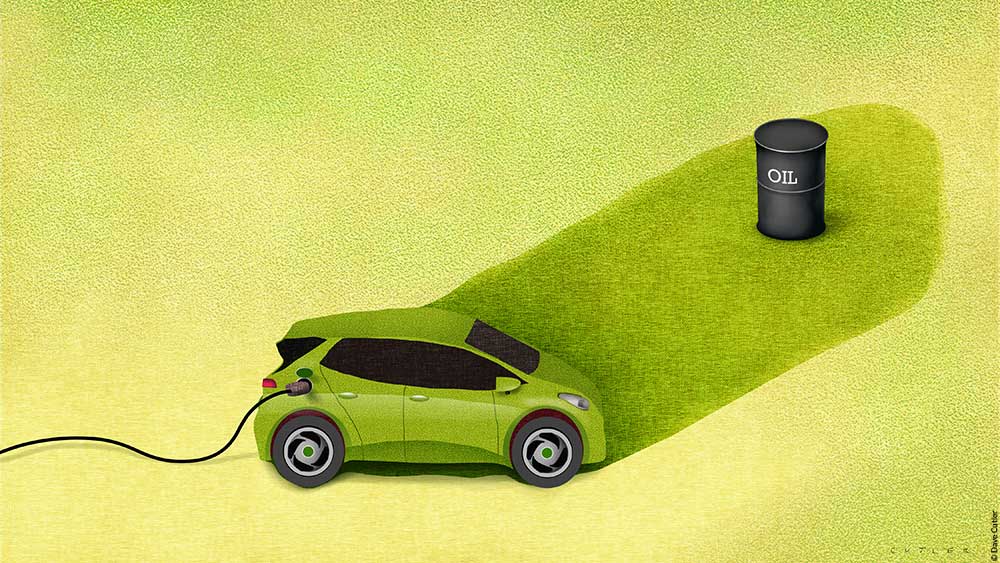
Edmunds.com, a website under CarMax, also pointed out that whether the recent surge in oil prices will translate into a substantial shift to electric vehicles may depend more on the duration of consumers’ expectations of high fuel costs than on the price of gasoline itself.
The automotive industry is also watching to see if this enthusiasm for electric vehicles can be sustained. Ajay Bhatia, CEO of Mobile.de, believes that the current growth in interest in electric vehicles may only be a temporary peak that will eventually decline, but demand will stabilize at a new, higher level than before, thanks to improvements in charging infrastructure and lower prices for pure electric vehicles.
Ian Plummer, Chief Customer Officer of the UK car trading platform Autotrader, also stated that the previous surge in petrol prices did not lead to sustained growth in electric vehicle sales. The industry still needs to work hard to ensure that consumers believe electric vehicles can integrate into their lives.
About The Author